


In recent years, the widespread use of drones has brought both convenience and challenges. While drones are great for photography, delivery, and other useful tasks, they can also pose risks. That’s where radio detection comes in. Using the frequency spectrum and spectrum analysis, we can find drones and keep our areas safe. This article will explore how radio spectrum helps with detecting drones and its importance for border security and homeland security.
What is Radio Spectrum and Drone Communication?
First, let’s talk about the radio spectrum. It’s like a big range of invisible waves that carry signals for different things, including drones. Drones use specific parts of this frequency spectrum to communicate with their controllers. For example, they send and receive signals to fly, take pictures, or follow a set path.
Spectrum analysis is the key tool here. It’s like a detective that “looks” at the radio waves in the air. When a drone is nearby, it gives off unique signals in the radio spectrum. Spectrum analysis tools can pick up these signals. They study the patterns, frequencies, and strengths of the waves. By doing this, they can tell if a drone is present and even get some details about it, like its type or how far away it is.
Think of it like listening to different sounds in a busy room. Each sound has its own pitch, volume, and pattern. Spectrum analysis can tell apart the “sound” of a drone’s signal from all the other signals in the air.

Radio Detection in Action
Radio detection using the spectrum works in many ways. Special devices, often called sensors, are set up in different areas. These sensors are always “listening” to the radio spectrum. When a drone enters the area, the sensors pick up its signals.
Once the sensors detect something, they send the information to a central system. This system uses spectrum analysis to figure out if what was detected is really a drone. If it is, the system can then track the drone’s movement. It can show on a map where the drone is, where it’s going, and how fast it’s flying.
The great thing about radio detection is that it can work in different conditions. Whether it’s day or night, sunny or rainy, the radio waves keep traveling. So, radio detection can find drones even when other methods, like cameras, might not work well.
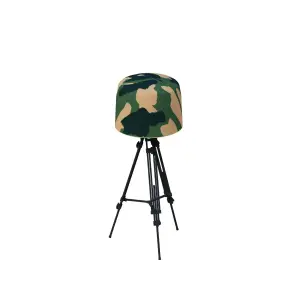
Protecting Borders with Radio Spectrum
Border security is a big deal. Countries need to protect their borders from unwanted drones. Drones could be used to smuggle things, spy, or cause other problems. Radio spectrum – based detection helps a lot in this situation.
Long stretches of borders can be hard to watch all the time. But with radio detection, we can cover large areas. Sensors are placed along the border. They constantly scan the frequency spectrum. If a drone tries to cross the border, the sensors will detect its signals.
Once detected, border security teams can take action. They can send out patrols to check the area. Or, they can use special devices to stop the drone from moving forward. This way, radio detection helps keep our borders safe from illegal drone activities.
Also, radio detection can work with other border security tools. For example, it can work with cameras and radar systems. The radio detection finds the drone first, and then the cameras can get a visual look at it. Together, these tools make our border security stronger.
Securing Homeland with Radio Detection
Homeland security is about protecting our country’s important places and people. Radio detection using the spectrum is a vital part of this.
Places like airports, government buildings, and power plants need high – level protection. Drones near these areas can be very dangerous. They could interfere with airport operations, damage buildings, or disrupt power supply. Radio detection sensors are set up around these key locations.
These sensors are always on the lookout for any unusual signals in the frequency spectrum. As soon as a drone – related signal is detected, the security system is alerted. Security teams can then decide what to do. They might try to land the drone safely, or they could use other methods to stop it from getting closer.
Moreover, radio detection helps in large public events. Concerts, sports games, and festivals often have big crowds. Drones flying over these events without permission can cause panic. Radio detection systems can detect such drones early. This allows event organizers and security forces to take quick action and keep everyone safe.
Challenges and Future Improvements
Of course, using radio spectrum for drone detection isn’t without challenges. One problem is that there are many other signals in the air. Cell phones, Wi – Fi, and other devices also use the radio spectrum. Sometimes, these signals can mix with drone signals, making it hard to tell them apart. But scientists are working on ways to make spectrum analysis better at this.
Another challenge is dealing with new types of drones. Some drones use advanced technology to hide their signals or change frequencies. To solve this, researchers are developing new radio detection methods. They aim to make the detection systems smarter and more adaptable.
In the future, we can expect radio detection using the spectrum to get even better. New sensors will be more sensitive. Spectrum analysis tools will be able to detect weaker and more hidden signals. This will help us detect drones more accurately and quickly. Also, the systems will be able to work better with other security technologies. This way, we can build a stronger and more reliable security network for our borders and homeland.
Conclusion
In conclusion, detecting drones with radio spectrum is a powerful and important security measure. Through spectrum analysis and radio detection, we can find drones in different situations. It plays a crucial role in border security and homeland security.
While there are challenges, the future looks promising. As technology improves, radio spectrum – based drone detection will keep getting better. It will help us protect our borders, important places, and people from the risks that drones can bring. So, the next time you think about security, remember the amazing work that radio spectrum does in detecting drones.