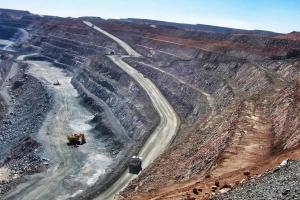
Drones pose increasing security risks to mining operations, from corporate espionage to safety hazards. Protecting mining facilities requires practical, budget-friendly solutions. Here are three proven strategies to keep drones at bay.
-
Radio Frequency (RF) Jamming Devices: Quick and Cost-Effective
RF jamming devices disrupt drone communication by blocking control signals and live video feeds.
- How They Work: These tools emit radio waves to override drone frequencies, forcing them to land or return to their operators.
- Key Features:
- Portable Options: Handheld “shields” allow on-the-go protection.
- Fixed Installations: Stationary units cover larger areas.
- Pros:
- Immediate response to unauthorized drones.
- Budget-friendly and easy to deploy.
- Cons:
- Cannot locate drone operators.
- Limited to signal disruption only.
Best For: Small-to-medium mining sites needing rapid defense without breaking the bank.
-
Integrated Drone Detection and Countermeasure Systems: Advanced Threat Neutralization
For higher security needs, integrated systems combine detection and neutralization capabilities.
- How They Work:
- Real-Time Detection: Sensors identify drones and their operators instantly.
- Automated Countermeasures: Systems deploy jammers or other tools to disable threats.
- 24/7 Surveillance: Operates autonomously, reducing manual monitoring.
- Key Features:
- Operator geolocation for legal action.
- Seamless integration with existing security systems.
- Pros:
- Proactive defense against persistent threats.
- Evidence collection for enforcement.
- Cons:
- Higher upfront costs.
- Requires training for staff.
Best For: Large mining complexes handling sensitive materials or facing frequent drone intrusions.
-
GPS Spoofing Systems: Strategic Area Protection
GPS spoofing creates virtual “no-fly zones” by misleading drones with false navigation signals.
- How They Work:
- Emits fake GPS signals to redirect drones away from restricted areas.
- Configurable exclusion zones prevent unauthorized entry.
- Key Features:
- Customizable protection perimeters.
- Minimal human intervention required.
- Pros:
- Non-destructive drone handling.
- Long-term strategic defense.
- Cons:
- Expensive setup costs.
- The spoofer may disrupt nearby GPS-dependent devices (e.g., cellphones, vehicles).
Best For: High-security zones needing discreet, long-term drone mitigation.
Final Thoughts
Mining sites must balance security needs with budget constraints. RF jammers offer affordability and speed, while integrated systems prioritize operator tracking. GPS spoofing excels in persistent, large-scale protection. Evaluate your site’s risks, size, and resources to choose the right mix of tools.
By acting proactively, mining operations can safeguard assets, staff, and data from drone-related threats. Stay vigilant—and stay protected!