Oil leakage in the sea is a huge problem. It harms marine life and damages the ocean ecosystem. To deal with this, we need good ways to find and watch oil spills. A 3kg SAR (Synthetic Aperture Radar) radar is an excellent choice. In this blog, we’ll learn how this small size SAR radar works for oil leakage monitoring.
The Advantages of a Small Size SAR Radar
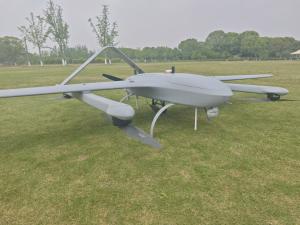
First, let’s talk about why a 3kg SAR radar is special. Its small size makes it very useful. Unlike big radars, this small one is easy to be installed on a drone. This flexibility allows us to monitor oil leakage from different angles and altitudes. What’s more, a 3kg SAR radar usually costs less. This means more organizations can afford it, which helps in increasing the coverage of oil leakage monitoring.
How SAR Radar Works for Oil Leakage Detection
SAR radar uses radio waves to “see” the sea. It sends out radio waves towards the sea surface. When these waves hit an oil slick, they bounce back differently compared to when they hit clean water. The radar records the time it takes for the waves to return and how strong the signal is when it comes back.
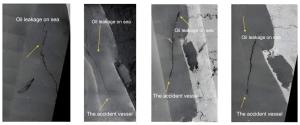
Based on this information, the SAR radar creates images. These images show the sea surface in detail. Oil slicks look different from normal water in the images. For instance, oil slicks often appear darker or smoother. This way, we can tell where the oil leakage is, how big it is, and what shape it has.
Preparing for Oil Leakage Monitoring
Site Selection
Before starting the monitoring, we need to choose the right site. First, look at reports and data about past oil spills in the area. This helps us guess where new spills might happen. Also, consider sea currents and wind directions. Oil spills usually move with the currents and wind. So, pick a site that can cover the likely movement paths of the oil.
Equipment Check
Next, check the 3kg SAR radar carefully. Make sure all the parts are working well. Check the antenna to see if it’s in good condition. Test the power supply to ensure it can work for a long time. Also, check the data – recording device. We need it to store all the information accurately. If any part has a problem, fix it or replace it before starting the monitoring.
The Monitoring Process
Setting Up the Radar
Once the site is chosen and the equipment is checked, it’s time to set up the 3kg SAR radar. If we use it on a boat, place it in a stable position. Make sure it has a clear view of the sea. If it’s on a drone, attach it securely. Then, connect all the cables properly and start the system.
Starting the Monitoring
After setting up, start the monitoring. The SAR radar will begin sending out radio waves continuously. It will receive the reflected signals and record the data. As it works, the radar sends the data back to a computer or a ground station in real – time.
Data Processing
At the computer or ground station, technicians use special software to process the data. This software turns the data into images. Technicians then analyze these images. They mark the location of the oil leakage, measure its size, and track its movement. If needed, they can also compare the current images with previous ones to see how the oil spill is changing.
Challenges and Solutions
Interference from the Environment
One challenge is interference from the environment. Waves, rain, and seaweed can affect the SAR radar’s performance. For example, big waves can make the radar signals bounce back in a messy way, making it hard to see the oil slick clearly. To solve this, we can use advanced filtering techniques in the data processing software. These techniques can reduce the noise from the environment and make the oil spill images clearer.
Limited Range
Another challenge is the limited range of a 3kg SAR radar. Because it’s small, its detection range might not be as far as big radars. To deal with this, we can use multiple small radars. Place them in different locations. This way, they can cover a larger area together. Also, we can combine the data from different radars to get a more complete picture of the oil leakage.
The Future of Oil Leakage Monitoring with Small Size SAR Radar
The use of a 3kg SAR radar for oil leakage monitoring is a great start. In the future, we can expect even better things. Technology will improve, making the radar more sensitive. This means it can detect smaller oil spills from farther away.
Also, we might see more smart features. For example, the radar could be connected to artificial intelligence systems. These systems can analyze the data automatically and send out early warnings when an oil spill is detected. With these developments, we can protect our oceans more effectively and respond to oil spills faster.
In conclusion, a 3kg SAR radar is a powerful tool for oil leakage monitoring. Its small size brings many benefits. Although there are challenges, with the right solutions and future improvements, it will play an even more important role in keeping our seas clean and safe.