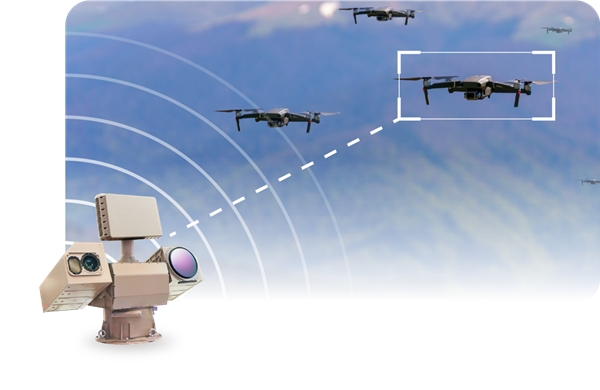
What’s Anti-Drone Detectors and Anti-Drone Solutions
What are Anti-Drone Detectors?
Anti-drone detectors are devices designed to identify the presence of drones in a specific area. They play a crucial role in safeguarding areas from unauthorized drone incursions. For example, at airports, these detectors can prevent drones from getting too close and potentially causing disruptions to flights.
How Do Anti-Drone Detectors Work?
1. RF (Radio Frequency) Detection: Most drones communicate with their controllers via radio frequencies. Anti-drone detectors can scan the airwaves for these unique frequency signals. Once detected, they can determine the approximate location of the drone. For instance, if a drone operates on a 2.4GHz or 5.8GHz frequency, the detector can pick up these signals just like a radio tunes in to a station.
2. Acoustic Detection: Drones make characteristic sounds during flight. Special microphones in anti-drone detectors are sensitive to these sounds. By analyzing the sound patterns, the detector can distinguish a drone from other flying objects like birds or planes. For example, the high – pitched whirring sound of a small quadcopter is distinct from the sound of a passing bird.
3. Optical Detection: Cameras, both visible light and thermal, are used in some anti-drone detectors. Visible light cameras can visually identify drones by their shape and movement. Thermal cameras, on the other hand, can detect the heat signatures of drones, which is especially useful at night or in low – visibility conditions.
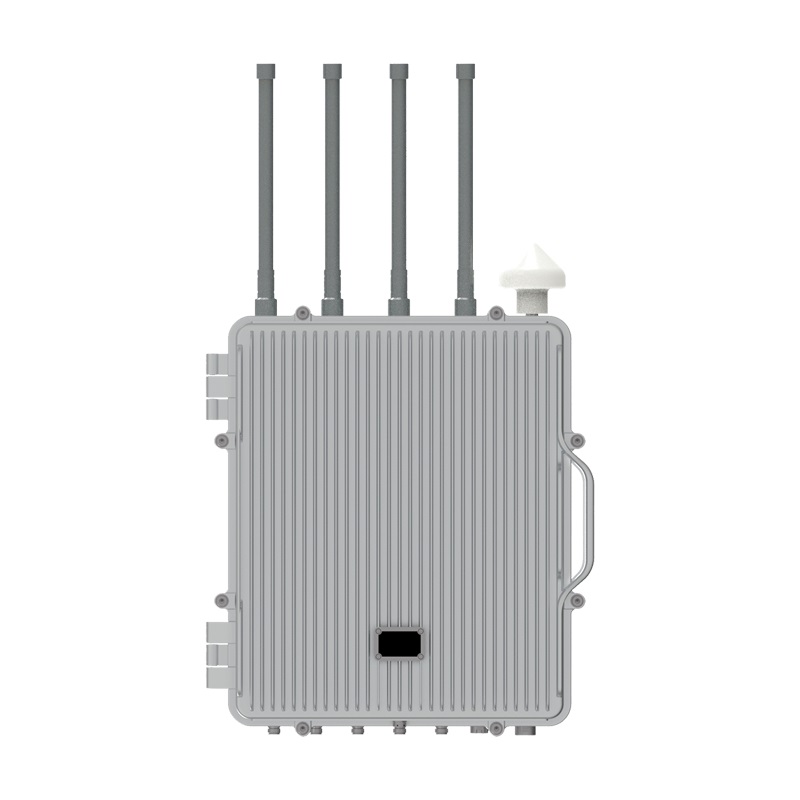
Anti-Drone Solutions: Going Beyond Detection
Anti-drone solutions are comprehensive systems that not only detect drones but also take action to neutralize the threat they may pose.
Types of Anti-Drone Solutions
1. Jamming Systems: These solutions emit radio frequency signals that interfere with the communication between the drone and its operator. As a result, the drone may lose control, return to its home point, or land. For example, a directional jammer can be aimed at a specific drone to disrupt its signals within a certain range.
2. Net – Firing Systems: Some anti-drone solutions use a mechanism to fire a net at the drone. Once the net ensnares the drone, it can be safely brought down. This method is often used in areas where jamming may not be permitted or where a more non – destructive approach is desired.
3. Kinetic Interception: In this approach, a projectile or another flying object is launched to physically intercept and disable the drone. This is a more aggressive method and is usually used in high – security areas where the threat level is high.

Why are Anti-Drone Solutions Important?
With the increasing popularity of drones, both for commercial and recreational use, the need for anti-drone solutions has become more crucial than ever. Drones can potentially be used for illegal surveillance, smuggling, or even as a platform for delivering dangerous substances. Anti-drone detectors and solutions help protect critical infrastructure, privacy, and public safety. For example, they can protect government buildings, power plants, and large public events from unwanted drone intrusions.
In conclusion, anti-drone detectors and anti-drone solutions are essential tools in our modern world. By understanding how they work, we can better appreciate their role in maintaining security and order in our airspace.