


What’s The Key to Defend Low Altitude Security? – Drone Countermeasure Products and Countermeasure Systems
In today’s world, drone technology is booming. It’s popping up everywhere, from helping us take amazing photos in daily life to playing a part in military operations like scouting and strikes. But as drones become more common, problems are cropping up too. There’s a lot of illegal flying going on, and it’s putting our safety, privacy, and even national defense at risk. That’s where drone countermeasure products and systems come in – they’re like our guardians in the sky.
How Do We Detect and Identify Drones?
1. RF Analyzers: These nifty gadgets pick up the radio signals drones and their controllers send back and forth. With this info, we can find out exactly where the drone and its operator are, and even tell what kind of drone it is.
2. Radar Technology: It works a bit like bouncing a ball off a wall. Radar uses electromagnetic waves to spot drones from far away. 2D radars can catch most drones, while 3D ones give us that extra bit of height info. Newer radars, like AESA and MIMO, are even better at tracking drones, especially when they come in groups.
3. Visual/Thermal Imaging Sensors: Thanks to some cool tech and smart software, these sensors can spot small, speedy drones flying low. They can also use heat signatures to find the people flying the drones.
4. Acoustic Sensors: These are like super-sensitive ears. They listen for the sounds drones make and can figure out where they’re coming from. They’re cheap and don’t care about radar blind spots.
What Are the Ways to Counter Drones?
1. Jamming Communication/Navigation Systems: This is a go-to move. By sending out jamming signals, we can cut the connection between the drone and its operator, and mess with its satellite signals too. This makes the drone go haywire. Remember when Iran caught the US RQ-170 stealth drone in 2011? They used this trick.
2. Signal Invasion: For really smart drones, experts can try to crack their passwords or grab their control info. It’s like sneaking into a locked room.
3. Physical Interception: Sometimes, we go all-out. We can fire missiles, use anti-aircraft guns, or send out fast-firing guns to shoot down drones. There are also special countermeasure drones that can bump into, tangle with, or net the target drones.
What’s on the Market?
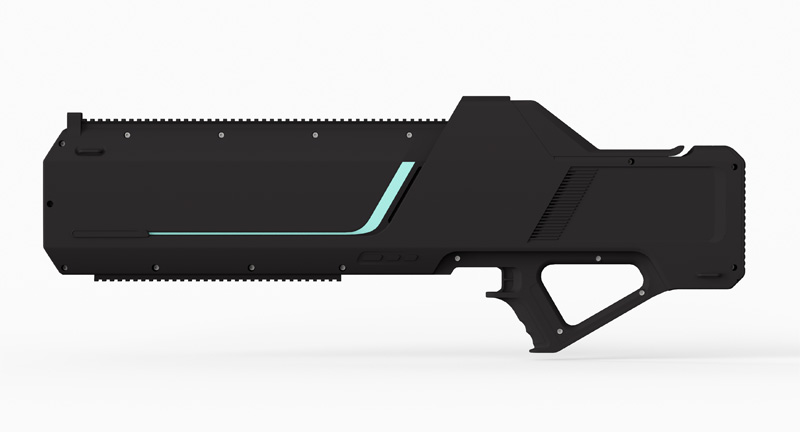
1. Drone Countermeasure Guns: They look a bit like rifles and are super easy to use. They can send out electromagnetic waves between 2.4GHz and 5.8GHz. Within 1000 meters, they can cut the drone’s control signal, making it land or turn back. The Wuhan police have used these to shoo away illegal drones during big events like soccer games and marathons.
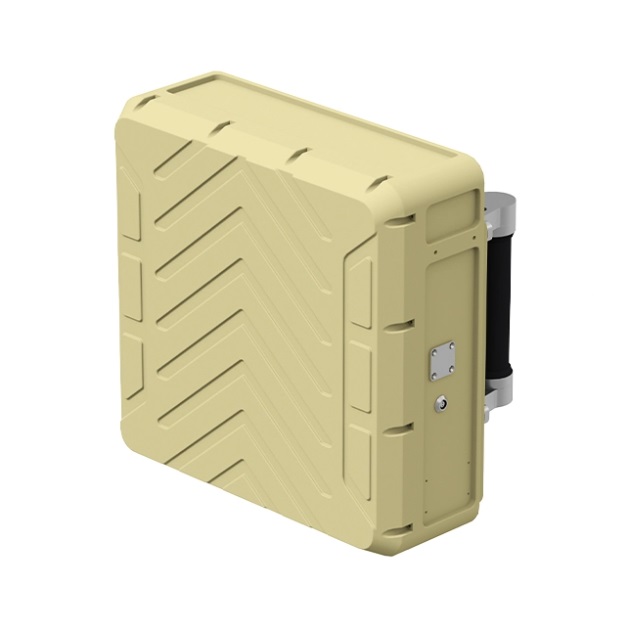
2. Portable Drone Countermeasure Shields: These come with an eight-channel antenna. They can reach out 500 – 2000 meters and mess with drones from all directions.
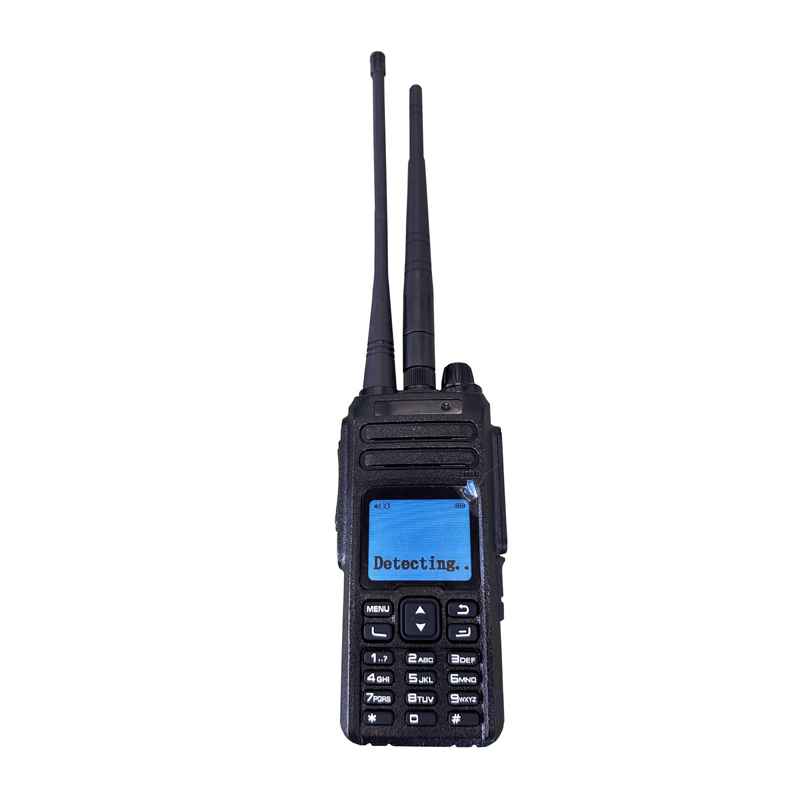
3. Small Drone Countermeasure Devices: Some are tiny, about the size of a phone. They can work up to 500 meters and get a drone to land or leave in just 2 seconds.
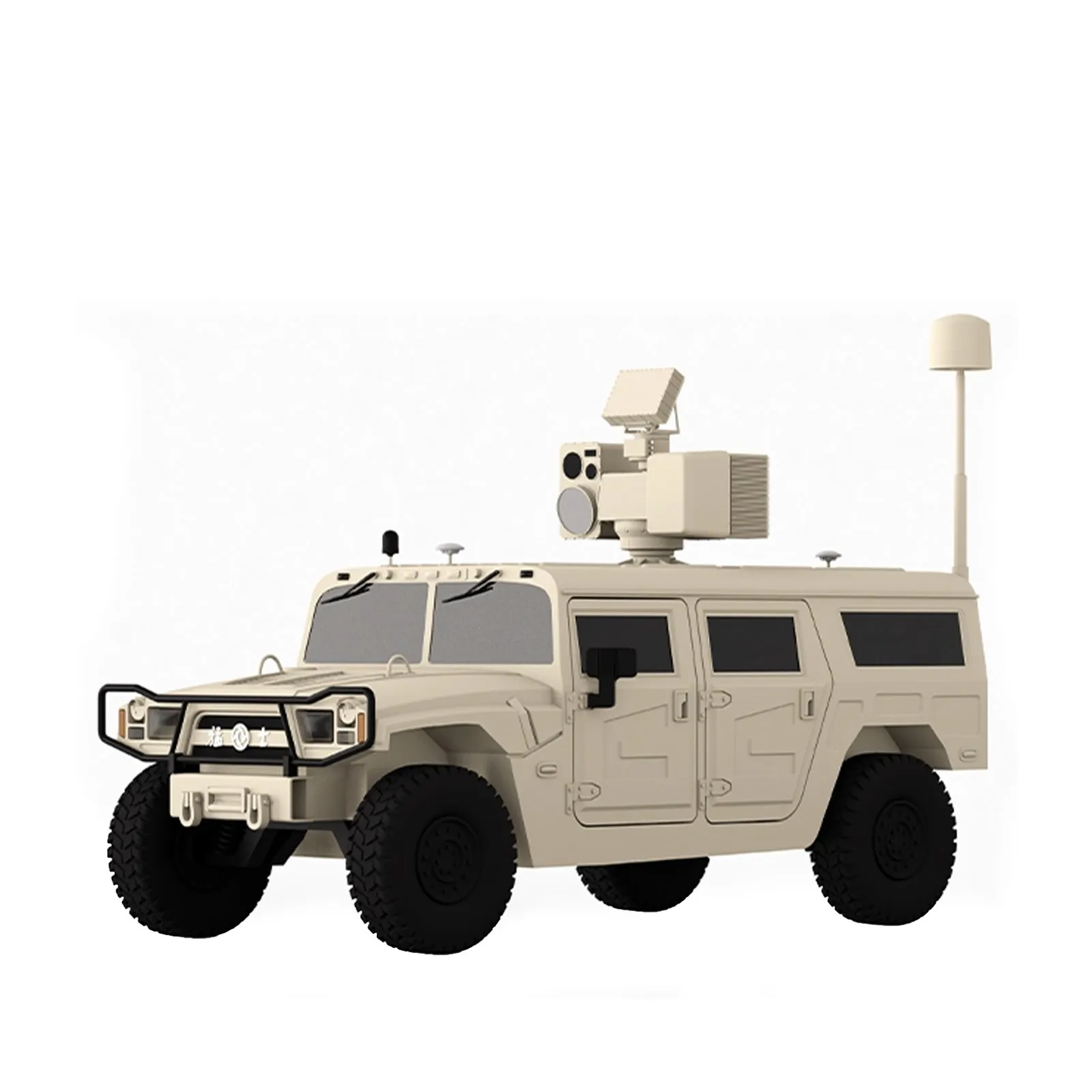
4. Large Anti-drone Systems: Take the “Gaze” system, for example. It does it all – detects, identifies, and counters drones. It has all kinds of tech, like electronic detection, radars, and net-capturing gear. It’s used in places like airports and at sea to watch for small, slow-moving things in the sky.
What’s Next for Drone Countermeasures?
As drones keep getting smarter, our countermeasures need to keep up. We’re looking at a future where these systems are smarter, more all-in-one, and easier to carry around.
Firstly, we’ll see more artificial intelligence and big data in our countermeasure systems. This will make it faster and more accurate to find and stop drones.
Secondly, countermeasure systems will start working better with other security systems. We’ll build a stronger, more complete safety net.
Finally, expect to see more small, portable devices popping up. They’ll be there to meet our safety needs, no matter where we are.
In Conclusion, drone countermeasure products and systems are super important for keeping us safe, protecting our privacy, and defending our country. With drones causing more and more trouble, we’ve got to keep pushing the envelope and making our countermeasures better. Only then can we keep our skies safe and sound….

