


Thermal imaging pods capture infrared radiation. They convert heat signatures into visible images. These devices work in total darkness, through smoke, and in challenging weather. Their versatility makes them valuable across many fields.
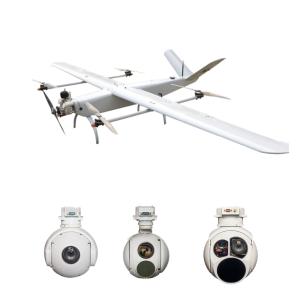
Main Types of Thermal Sensor Pods
- Fixed-Wing Aircraft Pods
Designed for airplanes and drones, these pods offer long-range detection. They typically have high-resolution sensors. Their gimbal systems provide stable imaging during flight. Common uses include border patrol and wildfire monitoring.
- Rotary-Wing Pods
These are optimized for helicopters. They feature wider fields of view for closer-range operations. Many include advanced tracking for moving targets. Search-and-rescue teams and police departments use them frequently.
- Ground Vehicle Pods
Built for cars and tanks, these pods withstand vibrations. They often combine thermal with visible-light cameras. Military convoys and armored vehicles rely on them for night navigation.
- Handheld/Portable Pods
Small and lightweight, these suit fieldwork. Firefighters use them to locate people in smoky buildings. Wildlife researchers track animals without disturbing them. Their battery life and durability vary by model.
Key Differences Between Thermal Imaging Pods Types
First, consider detection range. Aircraft pods see farthest (up to 20 km), while handheld units work within 2 km.
Second, resolution matters. High-end pods offer 1280×720 pixels, but basic models provide 640×512.
Third, stabilization systems differ. Aircraft pods need advanced gimbals, while ground units use simpler mounts.
Lastly, weight varies significantly. Some aircraft pods weigh over 50 kg, but handheld versions may be under 1 kg.
Choosing the Right Thermal Imaging Pods for Your Needs
Security and Surveillance
For border monitoring, pick long-range fixed-wing pods. Look for high resolution and tracking features.
For urban security, rotary-wing pods work better. They provide clearer images of closer targets.
Industrial Inspections
Choose portable pods with good battery life. They should detect temperature differences clearly. Some include reporting software for easier documentation.
Firefighting and Rescue
Prioritize rugged, waterproof handheld units. Fast heat detection saves lives. Models with wireless streaming help coordinate team efforts.
Wildlife Research
Lightweight pods with silent operation are ideal. Consider units that record both thermal and regular video. This helps with later analysis.
Military Applications
Different missions need different pods. Long-endurance drones require lightweight options. Ground vehicles need durable systems with multiple sensor types.
Important Features to Consider
Refresh Rate: Higher rates (60Hz) show smoother movement. This matters for fast-paced scenarios.
Spectral Range: Most pods use 8-14 micron wavelengths. Some specialized models cover other ranges.
Integration: Check compatibility with your existing systems. Some pods work with specific software platforms.
Environmental Rating: Outdoor pods need proper waterproofing. Look for IP67 or higher ratings.
Cost: Prices range from $5,000 to $500,000. Balance your budget with necessary features.
Future Trends in Thermal Imaging Pods
Newer pods combine thermal with other sensors, like LiDAR. AI-powered analysis is becoming common. Miniaturization continues, making powerful pods more affordable. So, Expect better battery life and wireless capabilities soon.

