


Unauthorized drones pose growing threats worldwide. They can disrupt airports, spy on private property, or even carry dangerous items. Counter-drone systems help address these risks. Among various detection technologies, photodetectors stand out for their reliability and versatility. Let’s explore why these devices are so valuable.
Understanding Photodetectors
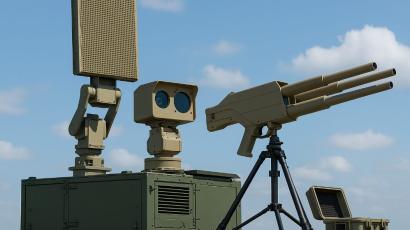
Photodetectors convert light into electrical signals. They work like mechanical eyes. These systems scan for drone activity constantly. They use different technologies for detection. Visible light cameras capture regular images. but,infrared sensors detect heat signatures. Laser systems measure distance precisely.
For instance, visible light cameras perform best in daylight. They provide clear visual confirmation. Meanwhile, infrared sensors excel at night. They track drones by their heat emissions. Laser systems provide additional accuracy. They bounce light off drones to calculate position.
Key Advantages of Photodetectors
High Sensitivity
These devices detect minute changes. They spot distant or small drones easily. Their precision helps track fast movements. This makes them ideal for following agile drones.
All-Weather Performance
Different types work in various conditions. Visible cameras handle bright days well. Infrared sensors work in darkness and fog. Some systems combine multiple technologies. This ensures continuous operation.
Low False Alarms
Security systems often face false alerts. Photodetectors minimize this problem. They distinguish drones from birds effectively. Smart algorithms enhance this capability. Thus, responses become more targeted.
Stealthy Monitoring
Photodetectors operate passively. They don’t emit detectable signals. This makes them perfect for covert operations. Intruders won’t know they’re being watched.
Strategic Equipment Pairing
Urban Environments
Cities present complex challenges. Tall buildings create hiding spots. Electronic interference is common. Therefore, use multiple detection layers.
Start with photodetectors. Combine visible and infrared types. Add RF detectors for radio signals. Include acoustic sensors for drone noises. Together, they cover all detection aspects.
Critical Infrastructure
Power plants and airports need strong protection. These areas often cover large spaces. So, the long-range detection becomes crucial.
Use laser-based photodetectors here. They offer extended range coverage. Supplement with radar systems. Radar covers wide areas efficiently. Incorporate AI processing too. AI analyzes patterns quickly.
Remote Locations
Border areas and nature reserves pose different problems. For example, the power sources may be limited, communication networks might be unreliable.
Choose solar-powered photodetectors. They work independently from grids. Meantime, add low-power RF detectors. They extend battery life significantly. Implement satellite communication links. This ensures reliable alert transmission.
Future Developments
Technology continues evolving rapidly. Photodetectors are becoming more advanced. They’re integrating with artificial intelligence. This enables predictive capabilities.
But,future systems will likely be smaller. They’ll also consume less energy. Emerging technologies will integrate further. Quantum sensing may enhance sensitivity. Blockchain could secure data transmission.
Conclusion
Photodetectors provide crucial capabilities for counter-drone operations. So,their sensitivity and adaptability make them indispensable. Strategic pairing with other technologies enhances their effectiveness. Different scenarios demand customized solutions. Urban areas need multi-layered approaches. Critical infrastructure requires long-range systems. Remote locations need independent operation.
The future looks promising for this technology. Continuous innovation will bring improvements. Photodetectors will remain essential for airspace security.


