


Radar Applications and Importance for Low Latitude Safety
In our modern world, safety is of utmost importance, especially in low latitude regions. Radar, anti – drone detectors, and anti – drone systems play crucial roles in ensuring safety in these areas. Let’s take a closer look at how they work and why they are so significant.
What is Radar?
Radar, short for Radio Detection and Ranging, is a remarkable technology. It sends out radio waves. When these waves hit an object, they bounce back. By measuring the time it takes for the waves to return, radar can figure out the object’s distance, speed, and direction. For example, think of it like throwing a ball against a wall. You can tell how far the wall is by how long it takes for the ball to come back. Radar does the same with radio waves.
Radar Applications in Low Latitude Regions
Weather Monitoring
Low latitude areas often experience extreme weather like heavy rains, typhoons, and hurricanes. Radar is a great help here. It can detect the formation and movement of storms. Meteorologists use radar data to predict weather changes. This helps people prepare for bad weather. For instance, if a typhoon is approaching, early warnings from radar can help evacuate people in its path.
Air Traffic Control
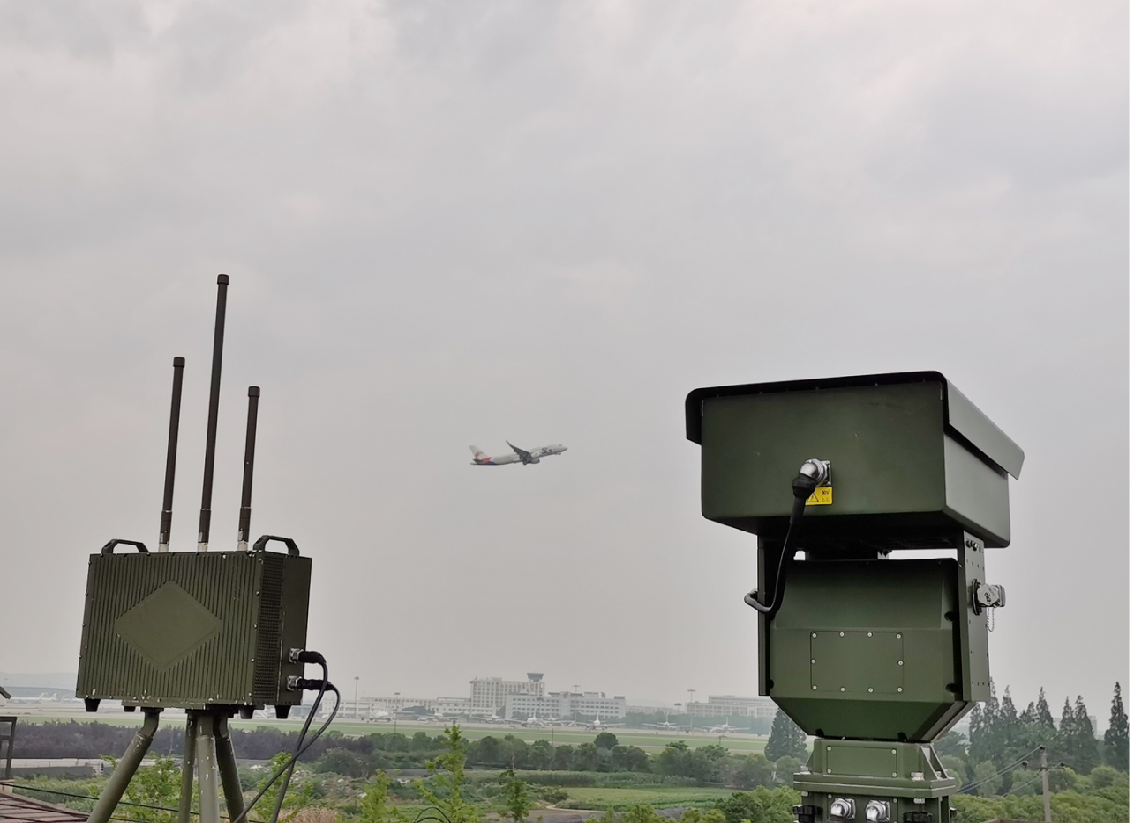
In busy airports in low latitude regions, radar is essential. It helps air traffic controllers monitor the position and movement of aircraft. Radar ensures that planes take off, land, and fly at safe distances from each other. This is crucial for preventing mid – air collisions.
Anti – Drone Detectors and Their Function
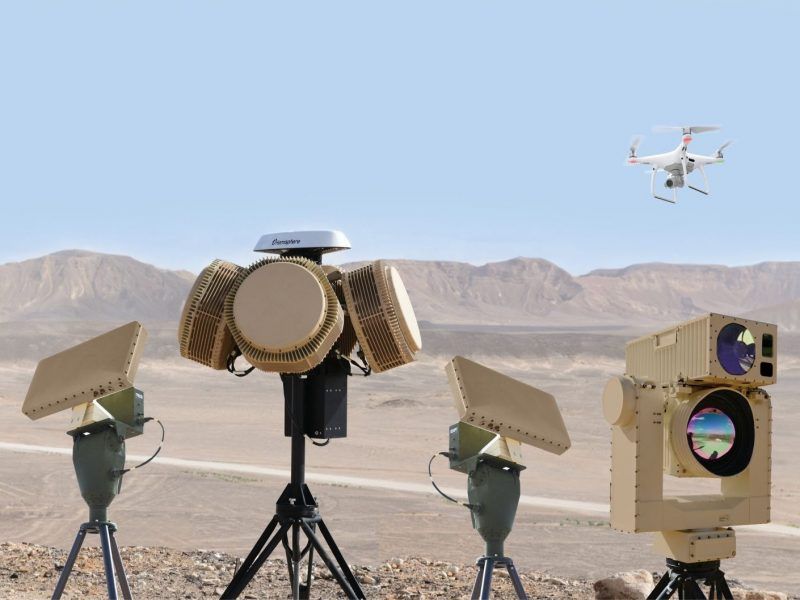
As drones become more common, anti – drone detectors are needed. These detectors can sense the presence of drones. They work by detecting the signals that drones emit, such as radio – frequency (RF) signals. Once a drone is detected, it can be tracked. This is important in areas where drones are not allowed, like airports or sensitive facilities.
Anti – Drone Systems: Keeping the Skies Safe
Anti – drone systems are designed to stop unauthorized drones. Some anti – drone systems can jam the drone’s communication signals. This makes the drone lose control or return to its starting point. Others can take over the drone’s control in certain situations. These systems are used to protect important places from potential threats posed by drones.
The Connection between Radar and Anti – Drone Systems
Radar can be a key part of anti – drone systems. Radar’s long – range detection ability can spot drones from far away. It can provide information about the drone’s speed and direction to anti – drone systems. With this information, anti – drone systems can take action quickly to neutralize the threat.
In conclusion,radar, anti – drone detectors, and anti – drone systems are all vital for safety in low latitude regions. Radar helps in weather forecasting and air traffic control, while anti – drone detectors and systems protect against unwanted drone intrusions. Together, they form an important safety net that we rely on more than we might realize. As technology continues to advance, we can expect even better safety solutions in the future.

