


A counter-drone system plays a critical role in preventing and mitigating the risks that these UAVs pose. Whether it’s safeguarding critical infrastructure, large public events, or restricted airspace, understanding the right actions to take is vital to effectively counter UAV threats.
In this blog, we will walk you through the necessary steps for implementing an efficient counter-UAV system. From detection to response, we’ll cover everything you need to know to protect your assets and ensure safety.
Understand the Threat Level of UAVs
Before taking any action, it’s essential to assess the level of threat that UAVs pose. Drones can serve a variety of purposes, ranging from recreational to malicious. Common threats include:
- Surveillance: Unauthorized drones can capture sensitive data and images, putting privacy at risk.
- Smuggling: Drones can be used to smuggle contraband into restricted zones.
- Disruption: UAVs can cause disruptions at events, airports, or military facilities.
- Attacks: In extreme cases, drones may be used for targeted attacks, such as weaponized drones.
Identifying the threat level helps determine the appropriate response strategy. For example, countering a surveillance drone may require less aggressive measures than dealing with a weaponized UAV.
Implement Early UAV Detection Systems
The first action in a counter-drone system is to detect the UAV. Early detection is crucial for enabling a timely response. There are several technologies used to identify and track drones:
-
Radar Systems:
These are effective for detecting drones at longer ranges and in all weather conditions.

-
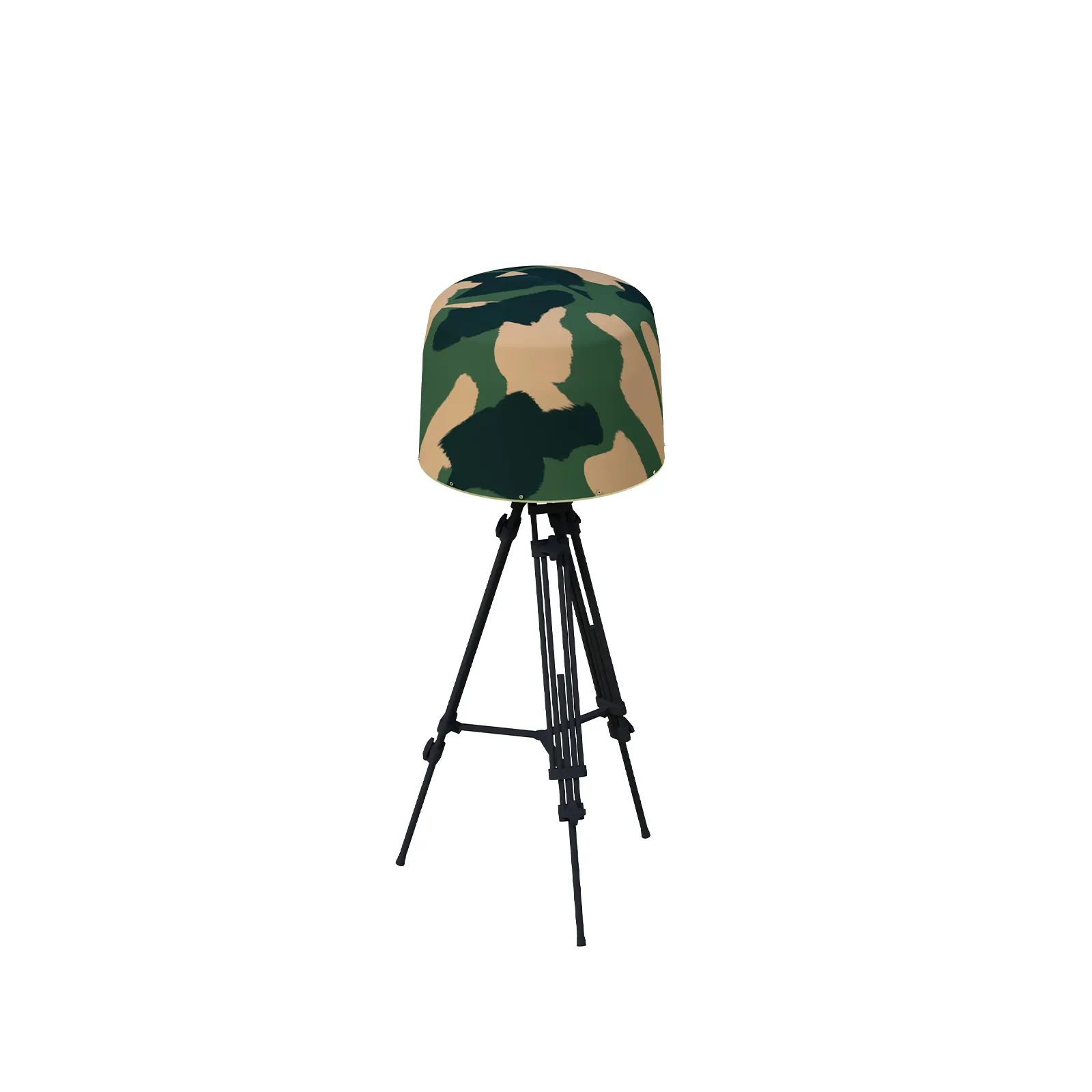
RF (Radio Frequency) Scanners:
These detect the communication signals between a drone and its operator.
-
Electro-Optical/Infrared Cameras (EO/IR):
These cameras provide visual confirmation of drone presence, especially in low-light conditions.

To ensure reliable detection, a multi-layered detection approach is often recommended, combining radar with RF scanners and cameras for redundancy. A layered detection system allows for early and precise identification of UAV threats, increasing the chances of neutralizing them before they reach their target.
Classify and Track the UAV
Once you detect a UAV, the next step is to classify and track it. Not all drones are hostile, so distinguishing between friendly and hostile drones is essential. Modern systems utilize artificial intelligence (AI) and machine learning to analyze drone behavior and classify them accordingly.
Tracking the drone is just as important as detection. By continuously monitoring the flight path and behavior of the UAV, you can anticipate its next move and plan your response more effectively.
In this stage, it’s crucial to have a drone signature database that can match detected drones to known models, helping you assess whether the drone poses a real threat or is a benign civilian device.
Choose the Right Countermeasure for the UAV
Now that a drone has been detected and classified, it’s time to choose the appropriate countermeasure. There are two main types of countermeasures: soft kill and hard kill options.
Soft Kill Countermeasures
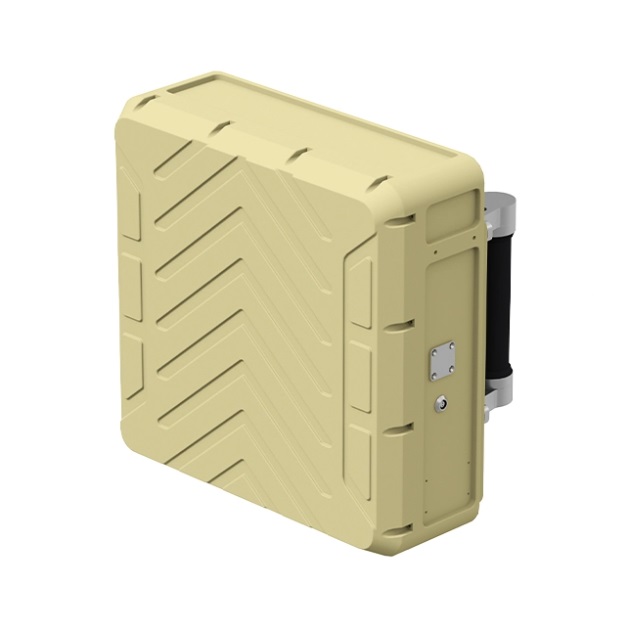
Soft kill measures aim to disable or neutralize the drone without physically damaging it. These include:
-
RF Jamming:
Disrupting the communication between the drone and its operator by emitting interference signals. This method forces the drone to land or return to its operator.

-
GPS Spoofing:
Manipulating the GPS signals the drone relies on for navigation, causing it to lose its way or head to other locations.

-
Protocol Takeover:
Taking control of the drone’s communication protocols to safely land it.
These methods are less destructive and are ideal for situations where the drone’s capture is desired for intelligence purposes.
Hard Kill Countermeasures
Hard kill measures involve physically disabling or destroying the drone. Examples include:
-
Nets:
Drones can be captured using nets, either launched from the ground or fired from a specialized drone.
-
Projectiles:
Some systems use projectiles to take down drones mid-air.
-
Laser Systems:
A directed energy system can be used to disable drones by overheating their components.
While hard kill systems are more aggressive and can be effective in high-risk scenarios, they require careful consideration of the environment and regulations to avoid collateral damage.
Deploy Integrated Anti-Drone Defense Systems
An anti-drone defense system works best when all its components are integrated into a unified defense platform. Integrated systems offer a streamlined solution for monitoring, detecting, and neutralizing UAV threats. These systems typically combine:
- Detection tools like radar, RF scanners, and cameras.
- Counter tools like jammers and spoofers.
- Control systems for managing countermeasures.
- Automated responses that activate countermeasures once a threat is detected.
An integrated counter-drone system reduces the complexity of managing multiple standalone systems, allowing for faster, more efficient responses. Additionally, remote access and automation improve the system’s scalability, making it easier to deploy in large or high-risk areas.
Ensure Legal and Regulatory Compliance
When deploying the counter-drone system, it’s critical to ensure compliance with local regulations. Laws surrounding UAV interception, especially in civilian areas, vary by country and region. Some countries restrict the use of jamming devices, while others impose rules on the type of weapons that can be used to disable drones.
Before implementing any countermeasures, consult with legal experts to ensure that the actions you take are within the boundaries of the law. Coordination with aviation authorities and law enforcement may also be necessary to avoid any legal challenges.
Post-Incident Analysis and System Upgrades
After a UAV incident, it’s important to analyze the effectiveness of your response. Did your devices detect the UAV in time? Were the appropriate countermeasures deployed? Post-incident reviews help you identify weaknesses in your system and provide insights to improve it.
Regular system upgrades are also essential. As drone technology evolves, so should your countermeasures. Keeping your defense systems updated with the latest drone models and tactics will ensure you’re always one step ahead of potential threats.
Conclusion
Countering UAVs requires a comprehensive, proactive approach that includes detection, classification, response, and ongoing system evaluation. By taking the right actions, such as deploying integrated detection systems, choosing the right countermeasures, and ensuring legal compliance, you can protect your assets and the safety of those around you.
At Fanyue Industrial, we provide full anti-drone defense solutions tailored to your specific needs. Our expertise ensures that you are equipped with the best counter solutions to address any threat.
Fill out the contact form below, and let’s discuss how we can help you safeguard your assets from UAV threats.
