


In the age of rapid technological advancements, drones have become an essential tool for a variety of industries, from agriculture to filmmaking to delivery services. However, the growing ubiquity of drones has also led to increasing concerns about privacy and security, particularly when drones are used for unauthorized activities. One disturbing trend gaining attention is the use of drones to capture private photos and videos of hotel guests. The threat of such privacy violations is significant, and it’s driving the need for anti-UAV defense systems (Anti-Unmanned Aerial Vehicle) in places like hotels, resorts, and other private spaces.
In this blog, we will explore the issue of unauthorized drone surveillance in hospitality settings, discuss the potential risks to guests and businesses, and look at the effective anti-UAV technologies available to prevent such incidents.
- The Rising Threat of Unauthorized Drone Surveillance
Hotels and resorts are often sought after for their privacy and exclusivity. Guests expect to enjoy their stay without the looming fear of being surveilled or recorded without consent. However, drones, with their ability to fly undetected and capture high-quality images and videos from an aerial perspective, have made privacy violations easier than ever before.
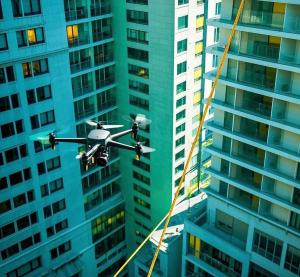
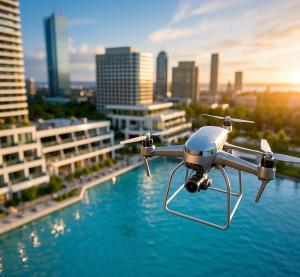
Unauthorized drones can easily fly over hotel properties, capturing intimate and private moments of guests in their rooms, on balconies, or even in pool areas. This intrusion can lead to a host of issues, from embarrassing situations for guests to severe legal and reputational damage for hotels.
While drones have legitimate uses in certain industries, the potential for privacy invasion is vast, especially when drones are used without the consent of the people being filmed. The most concerning part is that this surveillance often happens without the knowledge of the guests.
Furthermore, the images and videos taken by drones can be easily shared or sold, which increases the risk of unauthorized exposure. This is particularly damaging in the hospitality sector, where guests expect privacy and security during their stay. If a hotel fails to protect their guests from such intrusions, it could result in costly lawsuits, loss of business, and damage to the hotel’s reputation.
- Privacy Violations and Legal Implications
The act of taking photos or videos of hotel guests without consent can result in serious legal consequences for those involved. Many countries have strict laws regarding privacy, and this extends to surveillance through drones. Depending on local legislation, using a drone for unauthorized surveillance could lead to charges of invasion of privacy, harassment, or even voyeurism.
From the perspective of hotel owners and managers, failure to prevent or respond to unauthorized drone surveillance can have significant legal ramifications. Lawsuits from guests whose privacy was violated can not only lead to financial settlements but can also permanently tarnish the reputation of the establishment. Hotels have a responsibility to ensure that their guests’ personal space remains protected and secure.
For example, in the United States, there are federal laws that regulate drone use, such as the FAA Modernization and Reform Act of 2012, which restricts the use of drones for surveillance in certain contexts. Many states and local municipalities have also passed their own laws to address drone use. This makes it clear that privacy violations via drones are not just a nuisance—they are a serious legal issue that hotels and resorts must address proactively.
- The Need for Anti-UAV Defense Systems in Hotels
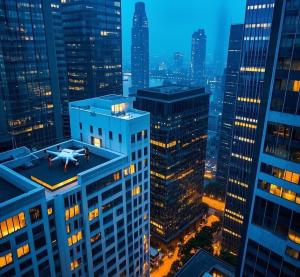
The question arises: How can hotels protect their guests from these privacy violations while ensuring the safety and security of the property? This is where anti-UAV defense systems (Anti-Drone systems) come into play.
Anti-UAV systems are technologies designed to detect, track, and neutralize unauthorized drones that enter restricted airspace. These systems come in a variety of forms, but all share the same goal—preventing drones from intruding on private property and ensuring the security of individuals within that space.
For hotels, adopting anti-UAV defense systems is crucial for the following reasons:
1).Protecting Guest Privacy: The primary purpose of anti-drone systems in hospitality settings is to safeguard the privacy of guests. By deploying these systems, hotels can prevent drones from capturing private images or videos of their guests, ensuring that their stay remains secure.
2).Enhancing Security: Drones can also be used for more nefarious purposes, such as smuggling contraband or spying on hotel staff and guests. Anti-UAV systems help detect these threats before they can cause harm. The ability to intercept drones provides an additional layer of security to the hotel property.
3).Avoiding Legal Consequences: By proactively installing anti-UAV defenses, hotels can demonstrate their commitment to protecting their guests’ privacy and avoiding potential legal action from privacy violations. This is increasingly important in light of the legal risks associated with drone surveillance.
4).Safeguarding Reputation: Hotel brands that prioritize the safety and privacy of their guests will build a strong reputation for trustworthiness. On the other hand, any incidents of privacy breaches due to drone surveillance can lead to negative publicity, which can harm a hotel’s long-term business prospects.
- Types of Anti-UAV Defense Systems
Various anti-UAV technologies have been developed to address the growing threat of unauthorized drone surveillance. These systems are designed to detect, track, and neutralize drones in a variety of ways, including through jamming, spoofing, and physical interception.
Drone detectors are the first line of defense against unauthorized drones. These systems use a combination of radar, radio frequency (RF) sensors, and infrared cameras to detect the presence of drones in the vicinity. They can track the drone’s flight path, altitude, and speed, and even provide real-time alerts to hotel security teams.
Radar-based drone detectors are particularly effective in detecting drones at long ranges, while RF detectors can pinpoint the specific frequency being used by the drone’s communication system. This allows the hotel to identify the drone operator and take necessary action.
Once a drone is detected, drone jammers can be deployed to neutralize the threat. Jammers work by emitting radio frequency signals that interfere with the communication link between the drone and its operator. This disruption causes the drone to lose its control signal, forcing it to either land or return to its point of origin.
There are different types of jammers, including directional jammers, which focus on a specific area, and omnidirectional jammers, which provide more extensive coverage. While jammers are effective in disabling drones, their use must comply with local laws, as the jamming of signals may interfere with other electronic devices.
GPS spoofing systems work by sending false GPS signals to the drone, effectively misleading it into thinking it is in a different location. This causes the drone to change its flight path, land in a safe area, or return to its operator. GPS spoofing is particularly useful in preventing drones from accessing restricted areas or following predetermined flight paths.
4).Physical Interception
In some cases, physical interception of drones may be necessary. There are specialized net guns and eagles trained to capture drones in midair. These are more dramatic measures but can be effective in stopping drones that pose a significant threat or have bypassed other defense systems.
Conclusion: Protecting Privacy in the Drone Era
The rise of drones has undoubtedly brought benefits to numerous industries, but it has also introduced new challenges, particularly in the realm of privacy. For hotels, the threat of unauthorized drone surveillance is very real. Guests expect to feel safe and secure during their stays, and that includes protection from potential privacy violations from drones.
By investing in anti-UAV defense systems, hotels can safeguard their guests’ privacy, ensure legal compliance, and protect their reputations. With the growing sophistication of drone detection and neutralization technologies, hotels can stay one step ahead in the battle against unauthorized drone surveillance, ultimately providing a safe, secure, and private environment for their guests.
