


Hey there! Today, let’s talk about an amazing technology – SAR radar – and how it plays a crucial role in detecting forest fires.
What is SAR Radar?
First of all, SAR stands for Synthetic Aperture Radar. It’s not your ordinary radar. It uses microwaves to create images of the Earth’s surface. It can work day and night, and even in bad weather conditions, like when it’s cloudy, rainy, or foggy. This is really important because forest fires can start at any time, and we need a way to monitor forests all the time.
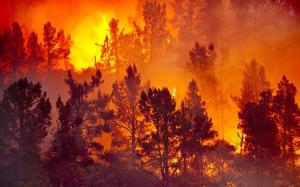
How Does SAR Radar Detect Forest Fires?
When a forest fire breaks out, the area undergoes some big changes. The heat from the fire dries out the vegetation. SAR radar can pick up these changes in the moisture level of the plants. For example, healthy, moist plants reflect microwaves in a certain way. But when they get dried out by the fire, they reflect microwaves differently. It can sense these differences and identify areas that might be affected by the fire.
Moreover, the fire also changes the texture of the land. Burned areas look different from unburned areas in SAR images. The radar can distinguish between the two, helping us figure out the extent of the fire.
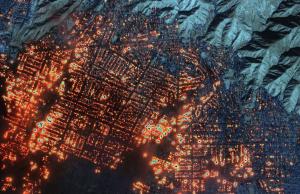
The Advantages of Using SAR Radar
One big advantage is its ability to cover large areas quickly. Forests are huge, and it would be impossible to monitor them all by eye or with regular cameras. SAR radar can scan vast stretches of forest from satellites or airplanes in a short time.
Another advantage is its all – weather operation. As I mentioned before, whether it’s sunny or stormy, SAR radar can do its job. This is much better than optical sensors that rely on sunlight and clear skies to work well.
In addition, SAR radar data can be used to create 3D models of the affected areas. This helps firefighters and forest managers better understand the terrain and plan their strategies for fighting the fire and protecting the forest.
Conclusion
In conclusion, SAR radar is a powerful tool in the fight against forest fires. It helps us detect fires early, understand how far they’ve spread, and make better decisions to protect our precious forests. As technology keeps improving, we can expect this technology to become even more effective in safeguarding our natural world.
So, that’s all about SAR radar and forest fire detection. If you have any questions or thoughts, feel free to leave a comment below!
