Safeguarding Airspace: A Close Look at Drone Detectors and Defense Systems
As drone technology grows rapidly, these devices bring convenience to photography, logistics, and farming. However, they also cause security and privacy issues—unauthorized drones may enter sensitive areas like airports or military bases, or spy on private spaces. To solve these problems, drone detectors and drone defense systems have become key tools for airspace safety.
How Drone Detectors Work: Spotting “Sky Intruders”
Drone detectors use different technologies to find drones:
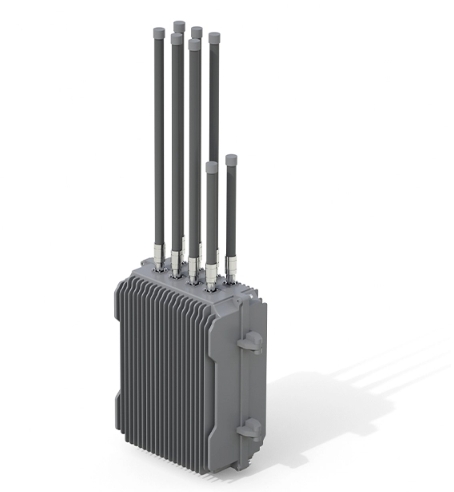
– RF (Radio Frequency) detection: They pick up signals between drones and their controllers, just like ears catching invisible “radio waves.” For example, advanced detectors can recognize signal patterns of popular drone brands.
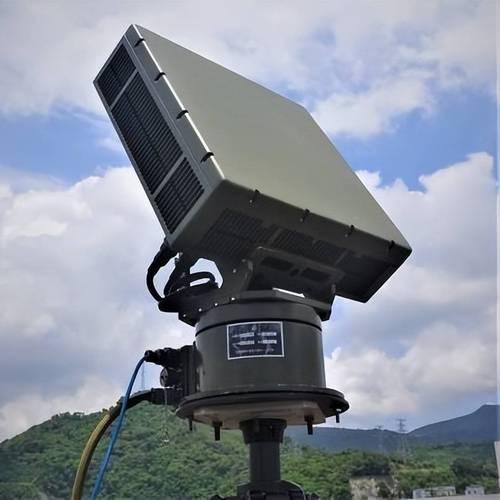
– Radar detection: Like bats using ultrasound, radar sends out radio waves and tracks drones by their reflections. It works well over long distances and in bad weather.

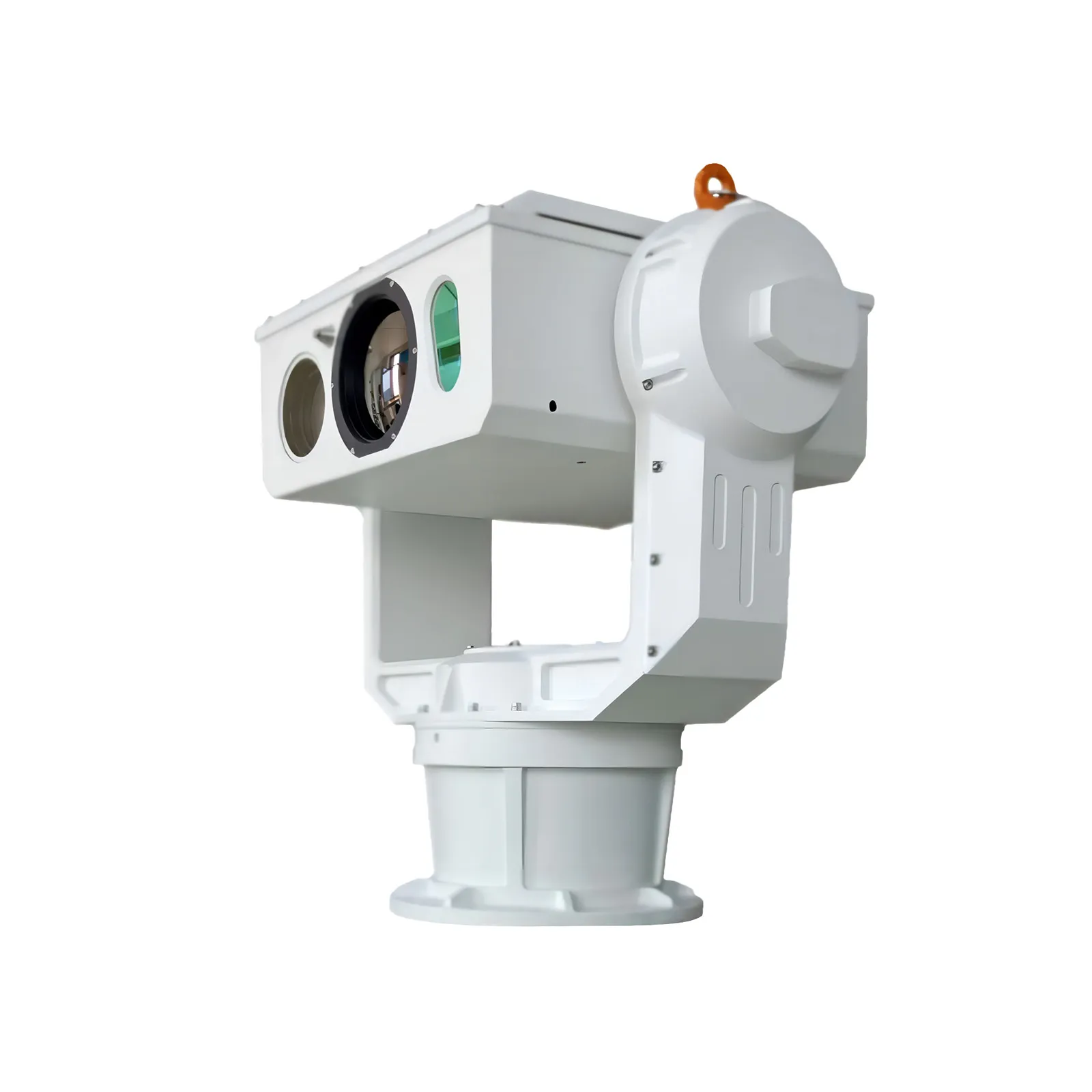
– Optical and acoustic sensors: Cameras “see” drone shapes, while microphones hear their flying sounds, adding more ways to detect threats.
Types and Features
– Portable detectors: Small and easy to carry, these are great for police patrols or small events. A handheld device, for instance, can detect drones up to 1–3 km away and show details like model, distance, and height on a screen.
– Fixed detectors: Installed around airports, prisons, or government buildings, they monitor 24/7 with wide coverage. Some large systems can scan up to 10 km and link with other security tools for real-time data sharing.
Drone Defense Systems: Building Strong Airspace Barriers
A drone defense system is a full integration: it includes detectors to find drones, recognition modules to tell friendly and threatening ones apart, decision modules to plan responses, and countermeasure modules to take action.
Ways to Stop Threats
– Jamming: Sending strong signals to break the link between drones and their controllers, making them land, return, or hover.
– Spoofing: Sending fake navigation signals to mislead drones into flying away from danger or landing in safe spots.
– Physical methods: Using nets or lasers to catch or disable drones, though these need care to avoid harm.
Where They’re Used: Real-Life Examples
– Airports: A major airport once used a defense system to spot an illegal drone, jam its signal, and force it to land—preventing a possible crash with a plane.
– Big events: At a concert, security teams used portable detectors to stop several drones from getting too close to the stage, protecting fans and privacy.
What’s Next?
As drones improve, detectors and defenses will get smarter too. Future devices may quickly identify all drone types in busy environments, while systems will automatically combine different countermeasures. With clearer laws, these tools will keep our skies safer and more orderly.
In short, drone detectors and drone defense systems are our protectors in the drone age. They watch for threats and ensure these flying devices serve us safely and responsibly.