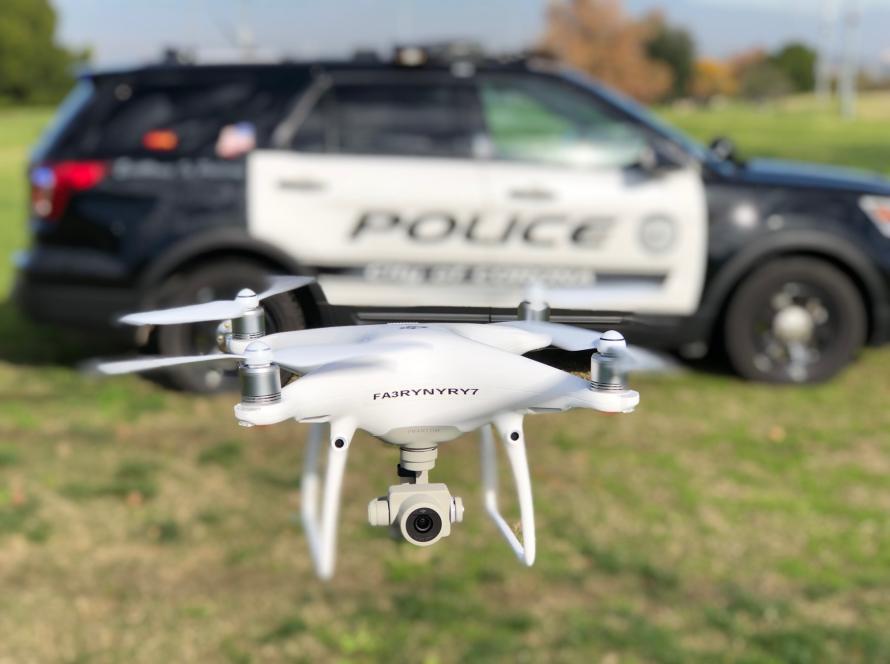
Drones are everywhere today. From deliveries to surveillance, they’re reshaping industries. But with this rise comes risks: unauthorized spying, smuggling, or even attacks. Traditional radar systems struggle against small, low-flying drones. That’s where photodetectors shine. These light-sensing devices are revolutionizing anti-drone defense. Let’s explore their advantages and how to choose the right tools for different scenarios.
1. How Photodetectors Work in Anti-Drone Systems
Photodetectors detect light by absorbing photons and converting them into electrical signals. In anti-drone setups, they act like “eyes” for defense systems. When a drone’s camera or sensors emit light (e.g., from lasers or LEDs), the photodetector picks it up. This triggers alerts or countermeasures.
Unlike radar, photodetectors don’t rely on radio waves. They focus on visible light, infrared, or ultraviolet emissions. This makes them stealthy and hard to detect. Drones can’t easily jam light signals, giving defenders an edge.
2. Key Advantages of Photodetectors in Anti-Drone Defense
2.1 High Precision in Urban Areas
Cities are crowded with buildings, trees, and people. Radar often misses small drones amid clutter. Photodetectors excel here. They pinpoint drones by their light signatures, even in tight spaces. For example, a drone hovering near a window can be detected by its camera’s faint glow.
2.2 Low Power Consumption
Photodetectors use minimal energy. They don’t need powerful transmitters like radar. This makes them ideal for portable or battery-operated systems. Soldiers or security teams can carry lightweight devices for hours without recharging.
2.3 Resistance to Electronic Jamming
Drones can jam radio frequencies to evade radar. Light signals are harder to disrupt. Photodetectors focus on specific wavelengths, making them immune to common jamming tactics. This ensures reliable detection in high-threat zones.
2.4 Non-Destructive Detection
Unlike lasers or missiles, photodetectors don’t destroy drones. They’re used for early warning or tracking. This reduces collateral damage, especially in civilian areas. For instance, airports can detect drones without harming aircraft or passengers.
3. Tailoring Anti-Drone Systems to Different Scenarios
No single solution fits all. The right photodetector depends on the environment and threat level. Here’s how to choose:
3.1 Urban Surveillance: Small, High-Sensitivity Detectors
Challenge: Drones fly low between buildings.
Solution: Use compact photodetectors with wide fields of view. These detect drones from multiple angles. Pair them with AI software to filter out false alarms (e.g., car headlights).
Example: A smart city system uses rooftop photodetectors to monitor drone activity. When a threat is detected, authorities can track its path or deploy countermeasures.
3.2 Military Zones: rugged, Long-Range Systems
Challenge: Drones may carry explosives or spy on bases.
Solution: Deploy rugged photodetectors with infrared vision. These work in darkness or bad weather. Combine them with lasers for precise targeting.
Example: A military base uses an integrated system. Photodetectors detect incoming drones. Lasers then disrupt their cameras or communication links, forcing them to land or retreat.
3.3 Critical Infrastructure: Redundant Detection Networks
Challenge: Drones threaten power plants or prisons.
Solution: Install multiple photodetectors around the site. Redundancy ensures no blind spots. Add acoustic sensors to confirm threats.
Example: A nuclear plant uses a layered defense. Outer photodetectors detect drones early. Inner systems track their movements. If a drone breaches, automated countermeasures are triggered.
3.4 Public Events: Portable, Quick-Deploy Units
Challenge: Drones can disrupt concerts or sports games.
Solution: Use handheld or vehicle-mounted photodetectors. These are easy to set up and move. Train staff to respond to alerts quickly.
Example: During a music festival, security teams scan the crowd with portable detectors. If a drone is spotted, they can track it or use non-lethal jammers to disable it.
4. Future Trends: Integration with AI and Swarming Drones
The drone threat is evolving. Swarm drones (groups of small drones) are harder to stop. Photodetectors must adapt.
AI Integration: Machine learning algorithms can analyze light patterns to distinguish drones from birds or insects. This reduces false alarms.
Swarm Detection: Advanced photodetectors can track multiple drones at once. They create a “heatmap” of threats, helping defenders prioritize responses.
5. Conclusion: Light-Based Defense is Here to Stay
Photodetectors offer unmatched precision, stealth, and versatility in anti-drone systems. Whether in cities, military zones, or public events, they provide a reliable first line of defense.
The key is customization. Choose detectors that match your environment and threat level. Combine them with lasers, jammers, or AI for a complete solution.
As drones become smarter, photodetectors will too. Investing in this technology today ensures safer skies tomorrow.
Final Thought: In the battle against drones, light is the silent guardian. Photodetectors turn photons into peace of mind.