On June 17 (Beijing Time), a World Cup-related incident made headlines across the globe: an unidentified drone hovered over South Korea’s training camp as the squad prepared for their fixture against Mexico. The drone was launched by two unknown men from a residential area adjacent to the training grounds, with suspected intent to spy on South Korea’s closed training sessions.
The craft was first spotted by the team’s on-site security staff. Law enforcement officers tasked with securing the Mexican training complex then deployed counter-drone suppression gear to neutralize the unauthorized aircraft. The incident sounded another alarm over low-altitude airspace security for major sporting events. At stadiums packed with tens of thousands of spectators and closed team training compounds, any illegally operated drone poses unquantifiable safety risks.
Throughout the 2026 World Cup, Mexican law enforcement has deployed a suite of Fanyue counter-drone solutions, including the portable H2L Handheld Drone Detection & Locator and the newly launched TD3 Drone Detection & Positioning System. Security detachments spread across three host cities — Mexico City, Guadalajara and Monterrey — rely on these two lightweight, agile, highly precise devices to maintain real-time situational awareness of low-altitude airspace and safeguard the tournament from aerial threats.
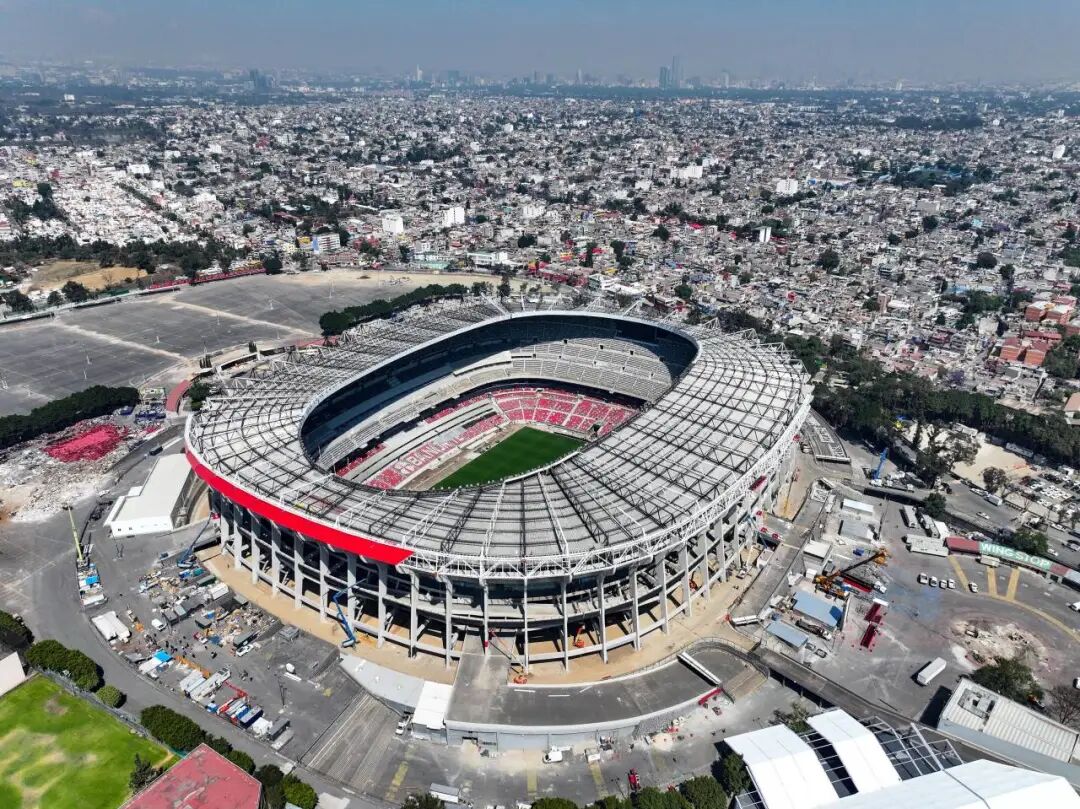
Mexico City Stadium, one of the flagship venues for the 2026 FIFA World Cup
Foreign media reports confirm Mexican authorities have ramped up security protocols for the World Cup, deploying dedicated counter-drone units to shield stadiums, fan zones, team hotels and airports from potential airborne hazards.
Up north in co-host nation Canada, a ban on unauthorised drone flights over World Cup stadiums and training grounds in Vancouver and Toronto remains in place until July 7, a key measure to uphold event safety.
Low-altitude airspace defence stands as an indispensable line of protection for smooth World Cup operations. Amid this large-scale security campaign, Fanyue’s full line of drone detection and positioning systems serves as a core technological backbone securing the tournament’s low-altitude perimeter.
Fanyue’s technological prowess has been proven at countless national and international high-profile events. From military parades, Olympic Games and Formula 1 Grands Prix in Beijing, Shanghai and Paris to the 2026 World Cup grounds in Mexico, the firm leverages self-developed, cutting-edge innovation to safeguard low-altitude airspace at landmark global gatherings — showcasing China’s technological contributions to worldwide low-altitude security.
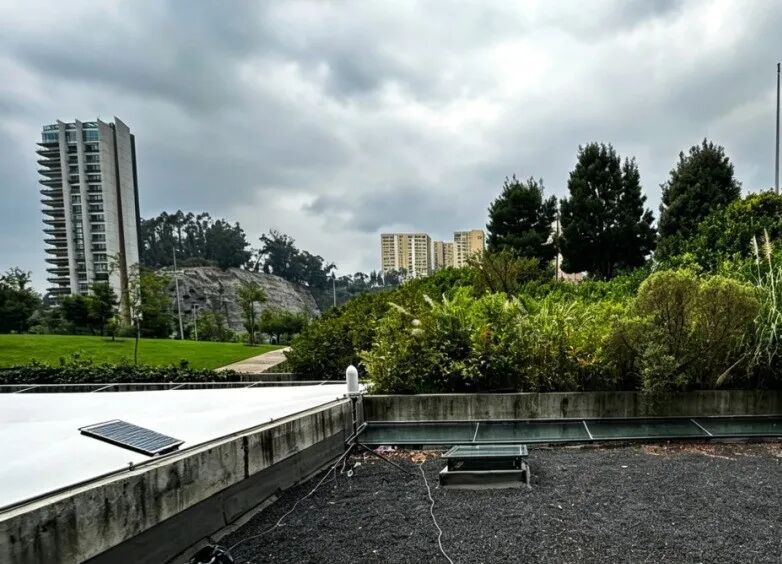
Mexican law enforcement officers operating the Fanyue H2L Handheld Drone Detection & Locator Fanyue TD3 Drone Detection & Positioning Systems deployed around competition venues

H2L / H2L Pro Handheld Drone Detection & Locator Series
This product line delivers robust detection capabilities for all types of FPV racing drones, with compatibility covering over 1,000 drone models. Compact enough to match the size of a smartphone, the unit weighs merely 650 grams. It requires no external antenna to detect mainstream commercial drone models, boasting exceptional portability and extended battery life.
A single H2L Pro integrates a full spectrum of regulatory functions: drone radio frequency scanning, communication protocol decoding and RID (Remote Identification) recognition. It accurately pinpoints both consumer drones, custom-built FPV racers and their remote pilots, tracks flight trajectories, maps interception routes and guides law enforcement teams straight to the drone and its operator — streamlining subsequent neutralisation efforts. The device is fully adaptable to low-altitude security missions across diverse operational environments.
TD3 Drone Detection & Location System