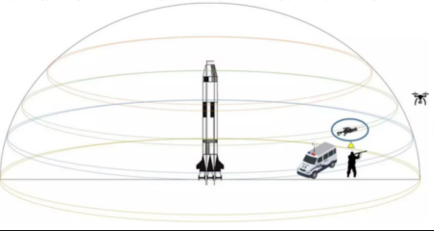
Hey everyone! Drone sightings are becoming super common, right? While most drone pilots follow the rules, unfortunately, some drones fly where they absolutely shouldn’t. As a result, they can snoop on privacy, threaten security, or even risk safety near airports or events. It’s frustrating! So, what can you realistically do? The good news: effective anti-drone solutions exist. Today, I’ll break down the essentials for you: anti-drone detectors, anti-drone jammers, and full anti-drone systems. Let’s explore them simply.
Spotting the Threat: Anti-Drone Detectors
Think of anti-drone detectors as your essential early warning system. Primarily, they sense unwanted drones before they become a bigger problem. So, how do they work? Basically, they use different tech to find drones:
-
Radar: Like air traffic control radar, but smaller. Essentially, it spots the drone itself. Best for: Longer range detection.Buy Premium Radars Online | Modern Radar Systems for Detection

-
RF Sensors: These “listen” for the radio signals between the drone and its pilot. Furthermore, they can often find the pilot’s location too!5km Fixed Spectrum Anti Drone Detector | Fanyue
-
Acoustic Sensors: Simply put, they “hear” the unique buzz of drone motors. Great for: Confirming other sensors, especially closer in.
-
Optical Cameras: Think of high-tech eyes, sometimes with thermal (heat) vision. Perfect for: Visually confirming it’s a drone, day or night.

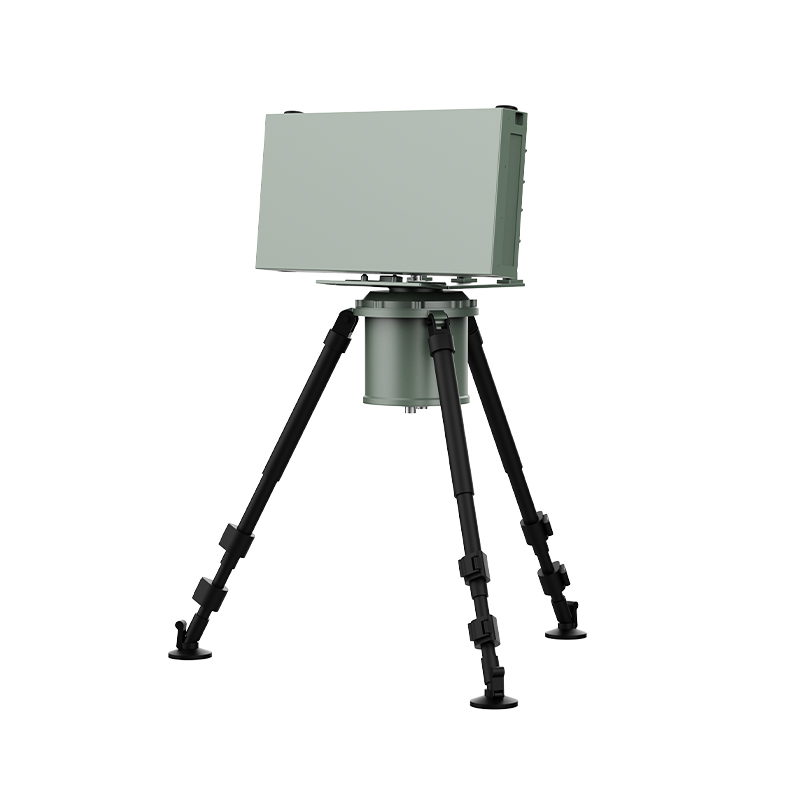
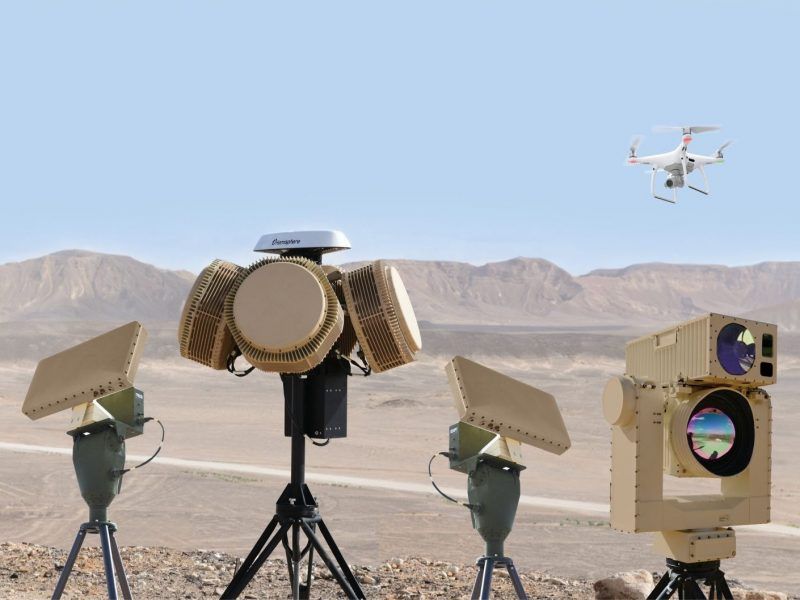
The key point is this: Detectors tell you something is there. First and foremost, you need this crucial alert. Then, and only then, can you decide how to respond effectively.
Stopping Drones Fast: Anti-Drone Jammers
Okay, so you’ve detected a threat. Now what? Honestly, anti-drone jammers act incredibly fast. They disrupt the signals drones absolutely need to fly. Specifically, they block vital communication:
-
Pilot Control Link: Breaks the remote control signal. Consequently, the pilot loses command. Therefore, the drone can’t follow new instructions.
-
GPS/GNSS Signals: Jams navigation satellites. As a result, the drone gets lost. Typically, it might hover, land, or return to its start point.
-
Wi-Fi/Video Links: Often, this blocks the drone’s camera feed back to the pilot.
Therefore, jammers offer immediate disruption. They are powerful tools for stopping a drone right now. But here’s a critical warning: Jamming radio signals is heavily regulated (and frequently illegal) in many places without specific government permission. Above all, always, always check your local laws first!
The Complete Shield: Anti-Drone Systems
For serious, ongoing protection, consider a full anti-drone system. Fundamentally, this integrates detectors, jammers, and smart software into one powerful solution. Here’s how it typically works step-by-step:
-
Detect: Sensors (like radar, RF, cameras) find the drone quickly.
-
Identify: Next, the system confirms, “Yes, this is definitely a drone,” and often identifies the type.
-
Track: Following identification, it automatically follows the drone’s path.
-
Defeat: Finally, authorized operators can safely activate jammers or other countermeasures.
Critically, modern systems use “sensor fusion.” This means combining data from radar, RF sensors, cameras, and audio. Why is this important? Simply because fusion gives much better accuracy and far fewer false alarms. Plus, everything usually displays on one clear screen, significantly helping security teams manage the situation.
Finding Your Best Anti-Drone Solutions
Choosing the right tools depends entirely on YOUR specific situation. Realistically, there’s no one-size-fits-all. Start by asking yourself these key questions:
-
Location: Obviously, protecting a large airport differs hugely from securing a small private property or an outdoor event. Scale matters immensely.
-
Threat Level: Are you mainly worried about basic consumer drones, or potentially more advanced models? Knowing your potential threat is vital.
-
Budget: Understandably, costs vary a lot. Simple RF detectors start affordably. In contrast, full military-grade systems cost significantly more. Be realistic about your resources.
-
Legality: This is non-negotiable, especially for jammers. Never deploy jammers without thoroughly understanding and complying with strict national and local regulations. Generally, detection faces fewer restrictions.
My practical advice? Start with reliable detection. After all, knowing a drone is present is the essential first step. Then, and only if needed and legally permitted, explore safe mitigation options. Often, a layered approach using multiple detection methods offers the strongest protection. Ultimately, good anti-drone solutions provide essential peace of mind. Take back control of your airspace today!
What drone security issues are YOU currently facing? Please, share your thoughts or questions below!
Fanyue | Best Drone Defense Systems | Counter-Drone Solutions