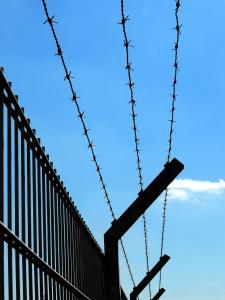
In recent years, drones have emerged as a significant security menace in prisons. Criminals are increasingly leveraging drones to smuggle contraband such as drugs, weapons, and phones into prison yards. These devices effortlessly fly over prison walls, circumventing traditional security measures. As a result, this has posed a new array of challenges for prison authorities. To safeguard inmates and staff, anti-drone devices have become an absolute necessity.
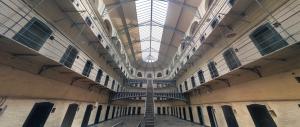
The Looming Threat of Drones in Prisons
Firstly, drones can easily infiltrate prisons and drop illegal items. This is particularly perilous since it enables criminals to continue their illicit operations even while incarcerated. With drones, there’s no requirement for physical entry. The drone simply drops the items, making it far more difficult for guards to detect the illegal activity in real – time.
Moreover, drones can be exploited to gather intelligence. They can hover above the prison and capture footage, providing criminals both inside and outside the facility with valuable information about security patterns, blind spots, or areas where they can violate the rules unnoticed.
The Paramount Importance of Anti-Drone Devices
So, why are anti-drone devices crucial? To prevent drones from entering prisons, we indeed need anti-drone devices. These tools play a vital role in maintaining control of the prison environment and ensuring the safety of everyone within. Without them, prisons remain highly vulnerable to these new technological threats.
Anti-drone systems function by detecting, tracking, and disabling drones before they reach their target. This ensures that contraband deliveries and surveillance are halted before they can cause any harm.
Strategies for Deploying Anti-Drone Devices
Prisons must adopt a combination of strategies to effectively block drones. Here are some methods for deploying anti-drone devices:
Radar Systems: The Early Warning Sensors
Radar technology serves as an early warning system, helping to detect drones flying in the airspace around the prison. The system can detect the drone’s movements and promptly send alerts to the security team. Once a it detects the illegal drones, staff can take immediate action to intercept it.
Drone Jammers: Disrupting the Connection
Drone jammers work by emitting signals that disrupt the communication between the drone and its operator. Once the signal is lost, the drone either lands safely or returns to its starting point. Evidently, this is a simple yet highly effective way to stop a drone in its tracks.
Drone Catchers: The Aerial Interceptors
These are specialized drones designed to capture other drones mid-air. They can fly up and use nets to entangle incoming drones, safely bringing them down to the ground. This solution is particularly effective in smaller areas or when a precise response is required.
Geo-fencing Technology: Creating a Virtual Barrier
Geo-fencing creates a virtual boundary around the prison that drones are prohibited from crossing. If a drone enters this zone, the system automatically alerts the staff. In some cases, it will force the drone to land or change its course. This effectively prevents drones from approaching sensitive areas.
Integrated Surveillance: Strengthening Monitoring Capabilities
Combining drone detection technology with security cameras can significantly enhance overall prison monitoring. When a drone is detected, cameras can track its movements, enabling security teams to respond more swiftly. This combined approach adds an extra layer of security.
Conclusion
In conclusion, the increasing use of drones in prisons is a growing cause for concern. Anti-drone devices offer a practical and effective solution to keep illegal activities in check. By deploying radar systems, jammers, drone catchers, geo-fencing, and surveillance cameras, prisons can effectively prevent drones from entering their airspace. With these tools, authorities can secure their facilities and ensure that criminals inside have no means of evading the law.