


The low-altitude technology, which involves the use of drones for applications such as logistics, safety, and sightseeing, is rapidly transforming industries across the globe. This trend has not only found its place in modern cities but is also revolutionizing tourism, especially in scenic and challenging locations like Huashan.
Known for its perilous peaks and rich cultural history, Mount Huashan in Shaanxi has embraced this technology to enhance the visitor experience, improve operational efficiency, and create a safer environment. By partnering with Huashan Tourism, we have introduced a cutting-edge low-altitude perception system that promises to transform both the logistics and enjoyment of this ancient mountain.
The Unique Challenges of Mountain Tourism
Geographical and Operational Challenges
Mountains like Huashan, with their steep terrain and deep valleys, pose significant challenges for traditional tourism operations. The mountain’s peaks and core visitor areas sit above 1,000 meters, requiring complex logistics to ensure both safety and operational efficiency.
Traditional methods such as manual transport and cable cars are costly, time-consuming, and prone to safety risks, especially in adverse weather conditions.
The Role of Low-Altitude Drones
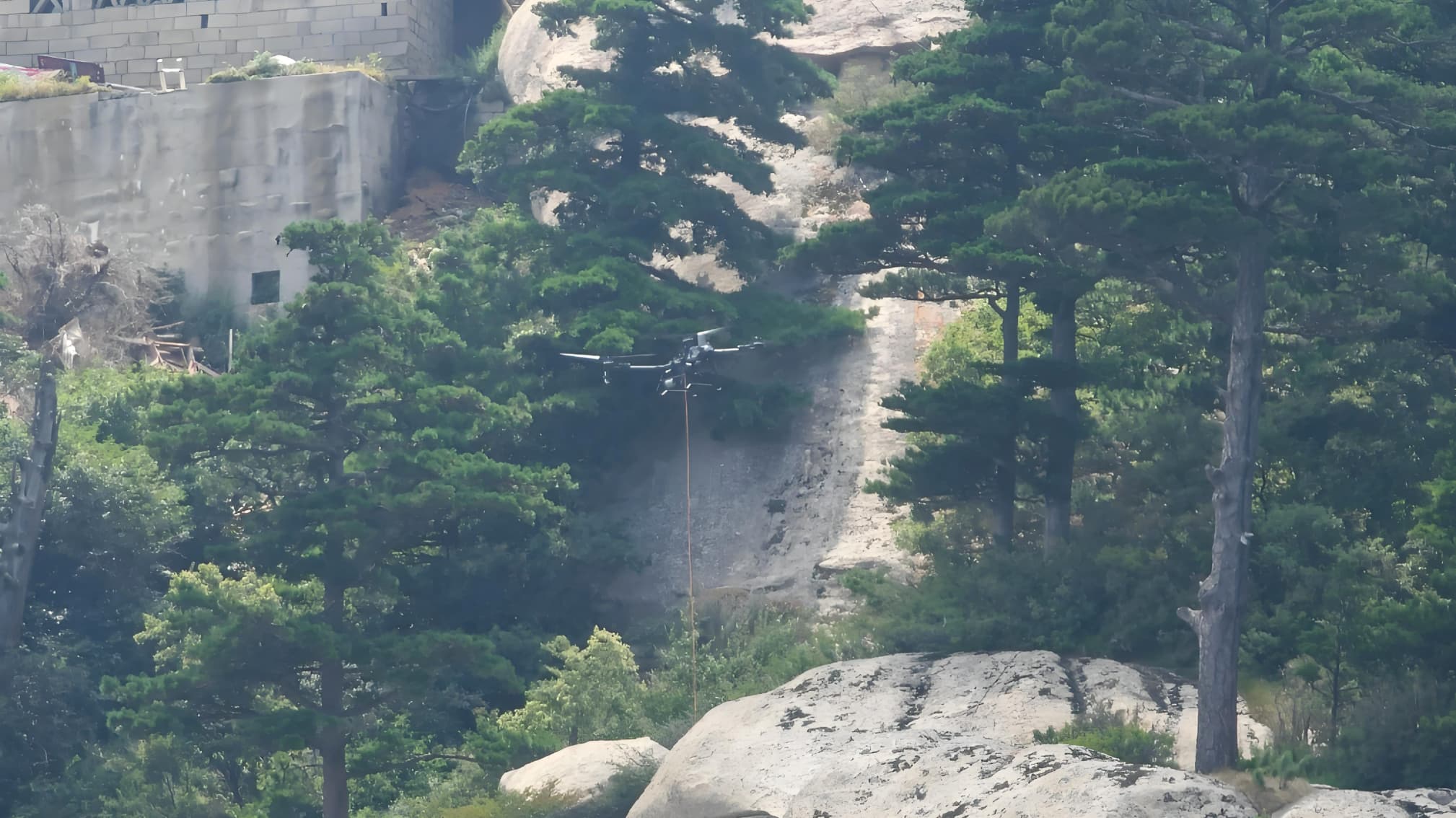
With the growing demand for more efficient and cost-effective solutions, drones have emerged as a key player in mountain tourism. These unmanned aerial vehicles (UAVs) provide innovative solutions for logistics and transport.
However, unauthorized drones pose a safety risk, especially in areas with limited monitoring systems. This highlights the need for advanced low-altitude technology that can track and manage airspace while supporting safe drone operations.
Huashan’s Innovative Solution: Low-Altitude Perception Technology
The Technology Behind the System
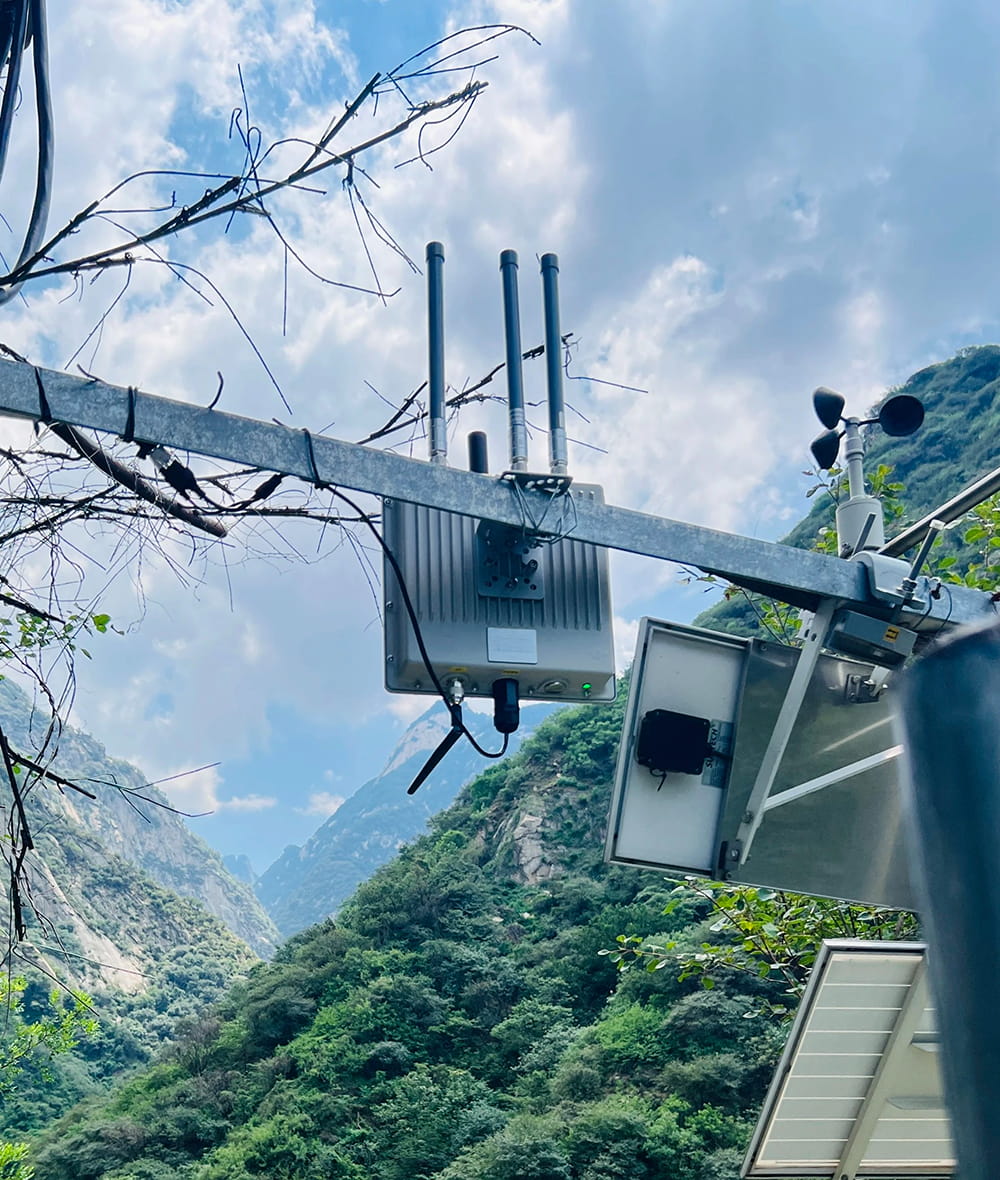
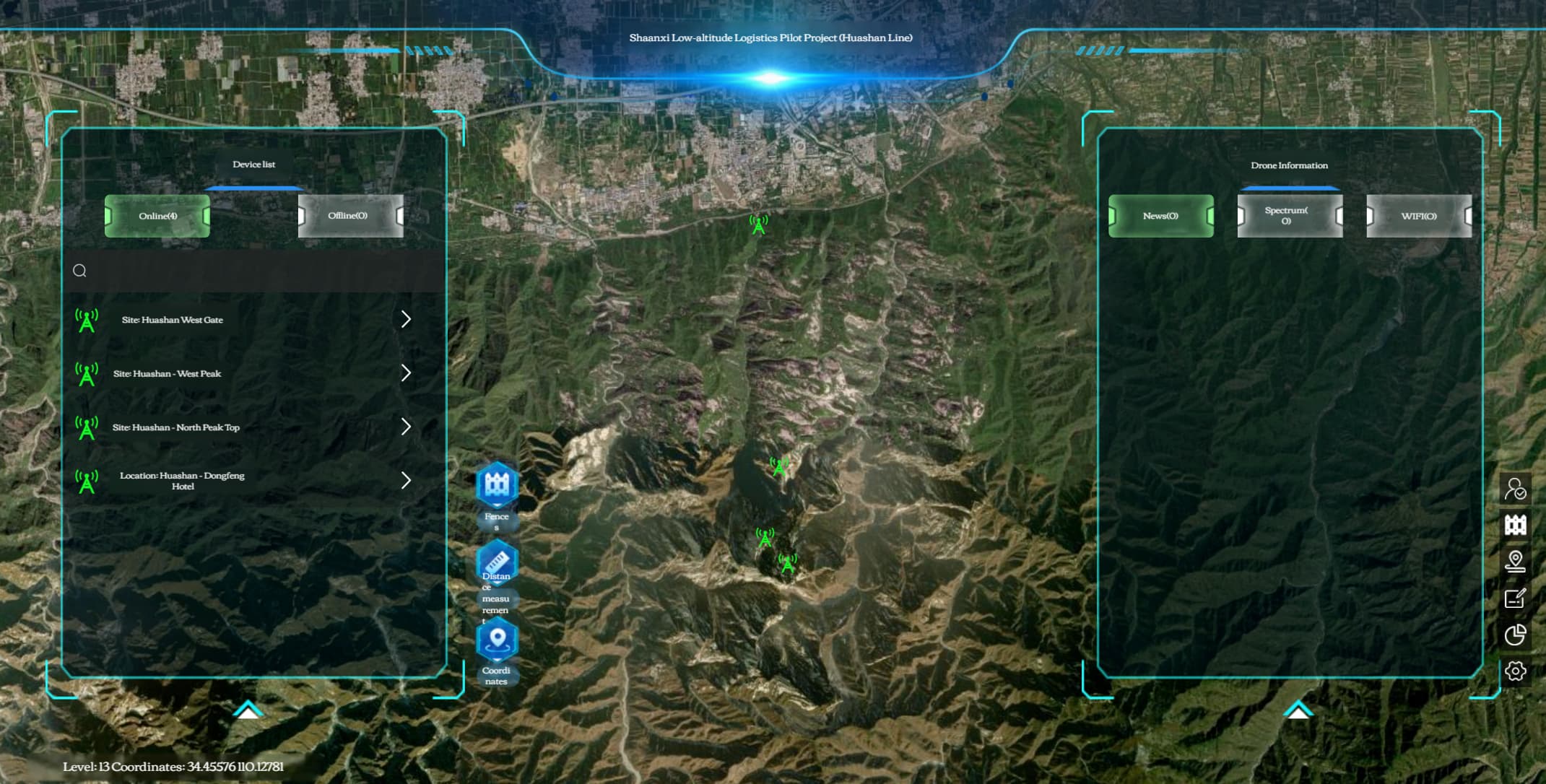
In response to these challenges, our company deployed a network of perception stations across key locations in Huashan. These are strategically placed at:
- Huashan Visitor Center
- North Peak Cableway Station
- West Peak Core Scenic Area
By integrating multiple monitoring technologies, these stations provide full coverage and precise detection capabilities, ensuring both the safety of the airspace and the seamless integration of drones into the tourism ecosystem.
Benefits of the Monitoring Network
The deployment of this perception network brings multiple benefits:
- Safety: Real-time monitoring helps detect and manage unauthorized drone flights, reducing accident risks in tourist-heavy areas.
- Efficiency: Safe tracking of drones within designated zones streamlines logistics and tourism services.
- Data Collection: Stations gather valuable data, from traffic analysis to monitoring visitor patterns for improved services.
Benefits for Huashan Tourism and the Broader Industry
Improved Operational Efficiency
The introduction of drones for material transport at Huashan has created new efficiencies. Emergency supplies such as medical kits and waste management solutions can now be delivered by drone—cutting costs and reducing reliance on manual labor or cable cars.
This not only streamlines operations but also ensures timely and reliable service.
Enhancing the Visitor Experience
Drones also create unique opportunities for tourists. With low-altitude technology ensuring safety, visitors can enjoy services such as aerial inspections and live-streaming scenic views.
This adds a new layer of excitement and interactivity to the visitor experience, offering perspectives once impossible to access.
Exploring New Business Models
Beyond efficiency and safety, this collaboration is opening doors for new business models in low-altitude cultural tourism.
Potential developments include:
- Drone tours
- Drone-assisted emergency rescues
Huashan could serve as a model for other mountainous regions, attracting businesses and fostering a thriving drone tourism ecosystem.

Technological Breakthrough and Future Expansion
Fanyue Industrial’s Role
Our innovative approach to low-altitude perception technology has been crucial in bringing these advancements to life at Huashan.
Our company’s expertise in anti-drone systems and perception technologies has made this project a success. The stability and accuracy of the stations, even in challenging terrains, set new standards for low-altitude technology deployment.
Replicating Success in Other Mountain Regions
The success at Huashan has sparked interest from other mountainous regions looking to adopt similar technologies.
We are actively exploring replication opportunities, offering tailored low-altitude solutions to improve tourism operations, safety, and visitor experience.
The Future of Low-Altitude Economy in Tourism
The low-altitude economy in tourism is still in its early stages but holds great promise. With further advancements in drone technology, new applications may include:
- Emergency rescue operations
- Low-altitude cultural performances
- Drone-based conservation efforts
As these technologies evolve, they will redefine the way tourism is managed and experienced in mountain regions.
A New Era of Smart Tourism
The Huashan project demonstrates the transformative potential of low-altitude technology in mountain tourism.
By integrating safety, efficiency, and new business models, we have created a blueprint for future developments in other scenic regions.
This collaboration not only enhances the visitor experience but also paves the way for smart tourism solutions that will continue to shape the industry in the years ahead.
What do you think about the role of drone technology in tourism? How can it improve the tourism experience in your region?
Share your thoughts in the comments below or contact us to learn more about our solutions for low-altitude applications in mountain tourism.

