


How to Make Sure Low Latitude Safety for Your Present and Your Future?
In today’s world, low-altitude airspace is getting busier. Drones bring convenience, but they also bring risks. To keep safe now and later, we need good anti-drone solutions. Let’s see how to do it step by step.
1. Know the Risks First
Low-altitude areas near homes, events, or airports face drone threats. Uncontrolled drones can spy, carry harmful things, or crash. These problems affect our daily life and future plans. So, understanding risks is the first step.
2. Use Anti-Drone Detectors
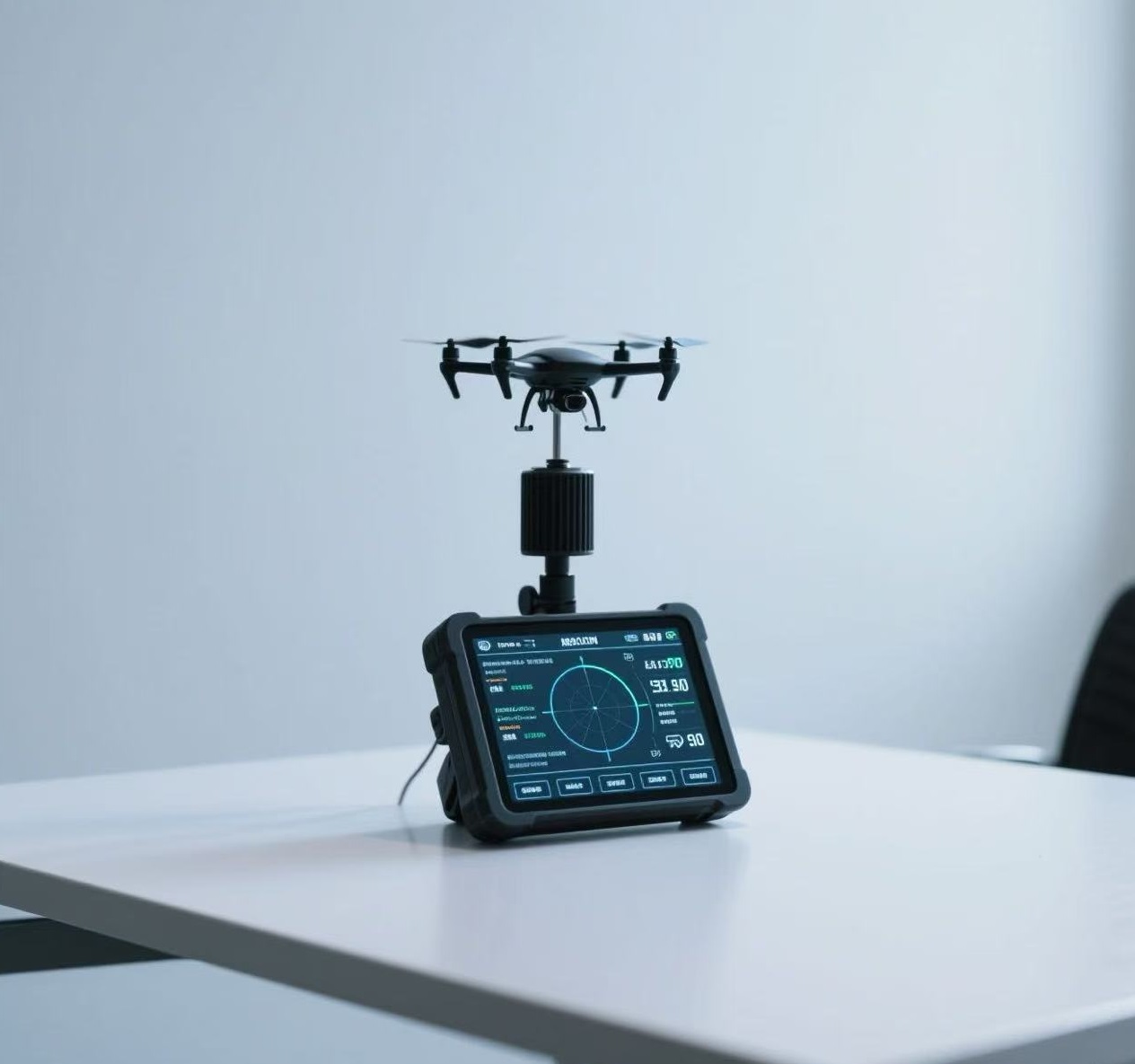
Anti-drone detectors are like guards. They find drones early. They use radio signals or cameras to spot drones nearby. When a detector finds a drone, it sends alerts quickly. This helps people take action fast.
3. Try Anti-Drone Jammers
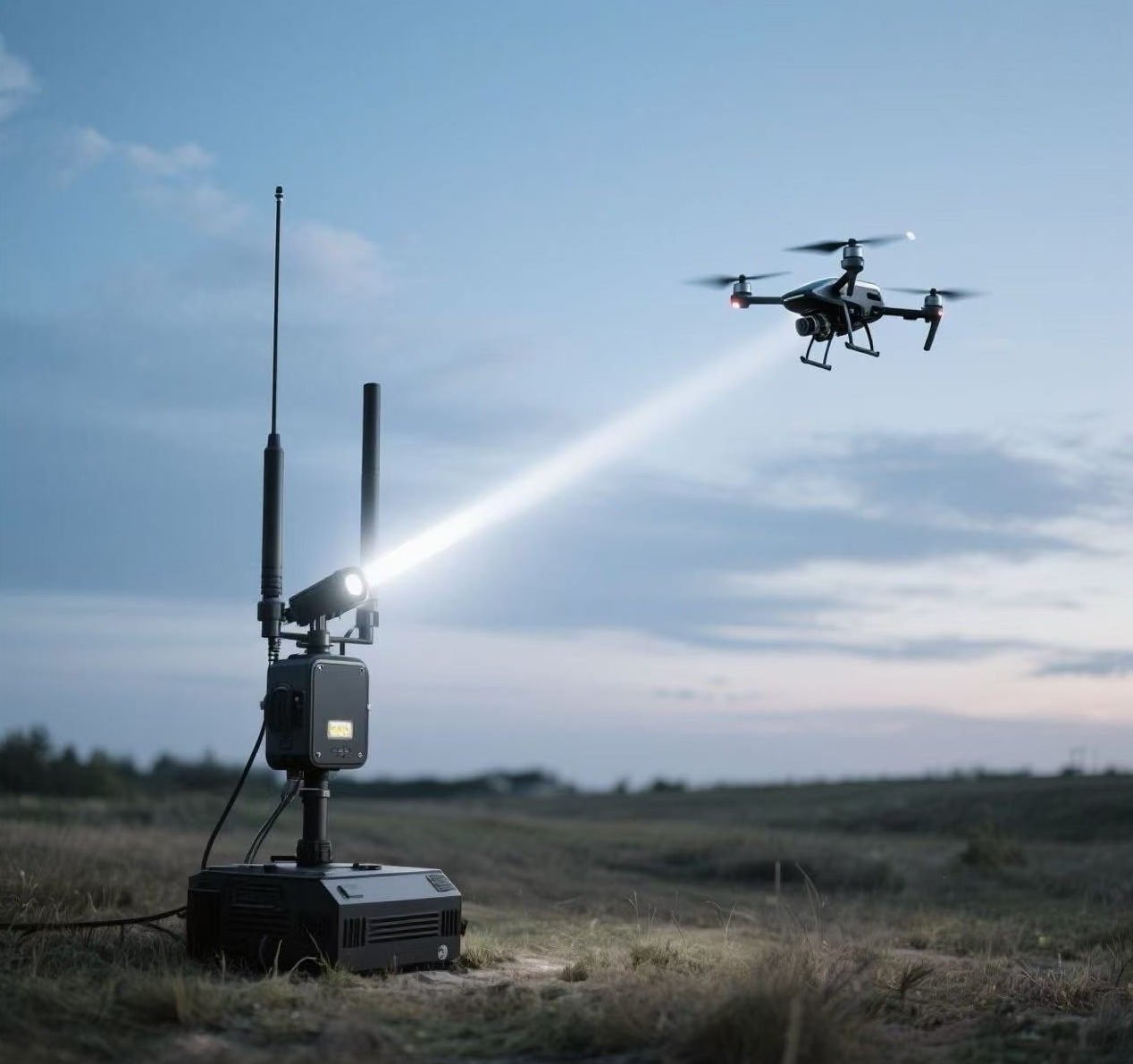
After detecting a drone, we need to stop it. Anti-drone jammers can block the drone’s signals. They make the drone lose control or fly back. Jammers work well in small areas like yards or small events. But we must use them legally.
4. Choose a Complete Anti-Drone Solution
Detectors and jammers are useful, but a complete solution is better. It combines detectors, jammers, and a control center. The center watches all data and makes decisions. This solution works for big places like factories or cities. It keeps low-altitude safe for a long time.
5. Plan for the Future
Low-altitude safety is not just for today. Technology changes fast. We need to update our anti-drone tools often. Learn new ways to fight new drone risks. Work with experts and governments to make rules. This way, we can keep safe now and in the future.

Conclusion
Low-altitude safety is important for everyone. By knowing risks, using detectors and jammers, choosing complete solutions, and planning ahead, we can protect our present and future. Start today to make the sky safe.
