

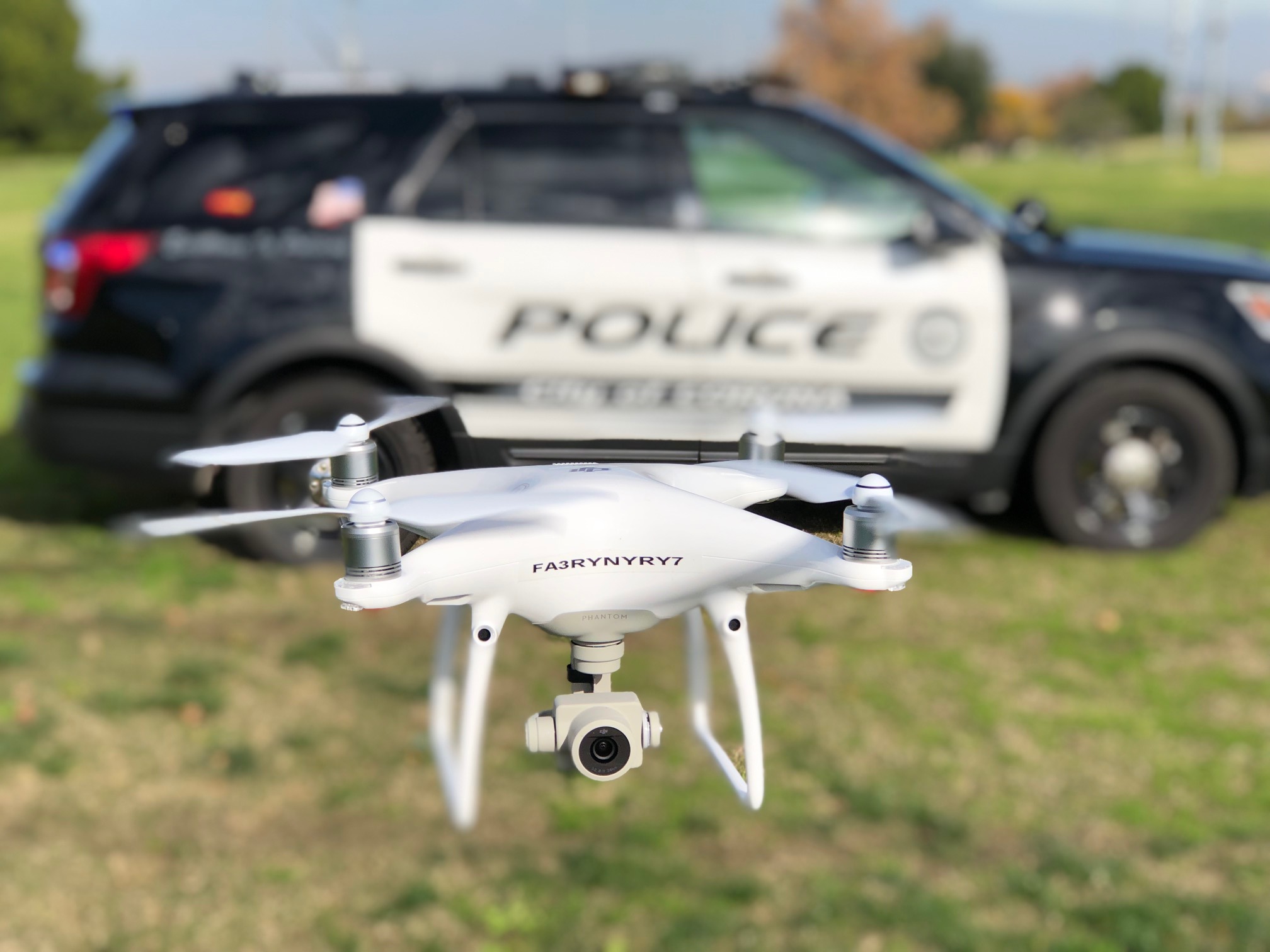
With the increasing problem of drone abuse, the police need to quickly respond to the threat of “black flying”. Nevertheless,The vehicle mounted police anti drone devices system has flexible deployment capabilities. This article focuses on “detection, identification, positioning, and countermeasures”, Also provides a safe and efficient solution. The best point that no radar and laser equipment, so it can avoid interference with the surrounding environment.
1, Detection equipment: Identify targets without leaving any blind spots
Function: Scan the airspace around the clock and capture suspicious drone signals.
Recommended equipment and principle:
Radio spectrum scanner
Principle: Scan the commonly used communication frequency bands of drones (such as 2.4GHz, 5.8GHz) . Then capture remote control signals or image transmission signals.
Advantages: Wide coverage range (radius of 2-3 kilometers), capable of detecting covert flying drones.
Optoelectronic camera (visible light+infrared)
Principle: Using high-definition cameras to capture drone images and infrared thermal imaging to assist in nighttime detection.
Advantage: Directly “see” the drone, avoiding misjudging interference targets such as flying birds.
Acoustic detection array
Principle: Capture the noise of the drone rotor and determine the target position through sound wave characteristics.
Advantages: Suitable for close range (within 500 meters) complex environments such as forests and buildings.
Key points of application:
Urban environment: mainly based on wireless scanning (covering signal blind spots between buildings), with real-time monitoring by cameras.
Night mission: Turn on the infrared camera and use the sound wave array to assist in locating low altitude flying targets.
2, Identification equipment: distinguish between friend and foe, make accurate judgments
Function: Distinguish the type and purpose of drones to avoid accidental injury to civilian equipment.
Recommended equipment and principle:
Signal feature analysis system
Principle: Compare the remote control signal characteristics of known drone brands (such as DJI and Daotong) to determine the model.
Advantages: Quickly identify consumer grade drones and distinguish modified ones (signal abnormalities).
AI image recognition module
Principle: Analyze the camera image to identify features such as the shape, lighting, and number of rotors of the drone.
Advantages: Can detect unmanned aerial vehicles flying without signals (such as pre programmed flight routes).
Behavioral analysis software
Principle: Monitor flight trajectories (such as repeated hovering and rapid approach to sensitive areas), then determine threat levels based on speed and altitude.
Advantages: Identify suspicious behaviors such as carrying items and throwing devices.
Key points of application:
Prioritize intercepting targets: unmanned aerial vehicles with abnormal signals, suspicious flight trajectories, and no registration numbers.
Retain evidence: Record and collect evidence from aerial drones first, and then warn them to evacuate.
3, Positioning device: Lock the target and track the source
Function: Determine the real-time position of the drone and its operator.
Recommended equipment and principle:
Wireless direction finder
Principle: Determine the direction of remote control signal transmission through 2-3 vehicle mounted direction finders for cross positioning.
Advantage: It can track the operator’s location in reverse (such as nearby vehicles, rooftops).
GPS deception device
Principle: Send false GPS signals to the drone to induce it to fly towards a safe area or make an emergency landing.
Advantages: Strong concealment, no damage to drone hardware, easy for subsequent investigation.
Drone tracker
Principle: Launch a small positioning device attached to the drone and transmit the position in real-time.
Advantages: Suitable for long-term tracking and cooperating with capture operators.
Key points of application:
Quick response: After discovering the target, start the direction finder to locate the signal source within 10 seconds.
Avoid accidental interference: GPS spoofing is only used after confirming the threat and avoids civil aviation routes.
4, Countermeasure equipment: flexible disposal, safety priority
Function: Intercept drones by non lethal means to reduce collateral damage.
Recommended equipment and principle:
Multi band interference gun
Principle: Block the remote control, image transmission, and navigation signals of the drone, forcing it to hover, land, or return.
Advantages: With an effectiveness rate of over 95% for consumer grade drones, it is easy to operate.
Navigation Deception System
Principle: Simulate GPS satellite signals to control the drone’s flight path such as guiding to open areas.
Advantages: Can take over control of drones, avoiding collisions with crowds or sensitive facilities.
Net capture transmitter (vehicle mounted)
Principle: Launch a capture net to wrap around the drone rotor, causing it to make an emergency landing.
Advantages: Physical interception without electromagnetic interference, suitable for densely populated areas.
Key points of application:
Graded disposal:
Low threat: interference gun warning drive away;
High threat: Navigation deception+web capture and physical interception.
Collaborative law enforcement: After locating the operator’s position, coordinate with ground police forces to carry out arrests.
Summary
The vehicle mounted police anti drone devices system achieves full process control of drones through a closed-loop system of “detection recognition positioning countermeasure”. To keep safety, this plan avoids radar and laser equipment. For balancing law enforcement efficiency, it adopts flexible technologies such as radio, optoelectronics and sound waves.