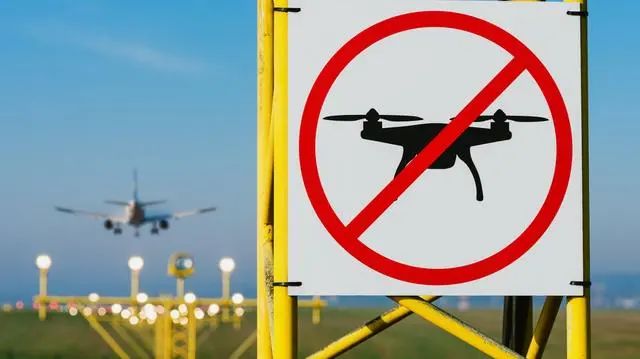
As drones become more integrated into daily life, urban areas are facing a growing challenge: how to manage the risks associated with this rapidly evolving technology. While drones have opened up new possibilities in fields like delivery, surveillance, and entertainment, their presence in urban airspace has raised concerns about public safety. From unauthorized surveillance to potential criminal use, drones pose unique threats that traditional security systems aren’t designed to handle.
Anti-drone systems, which can detect, track, and neutralize unauthorized drones, are emerging as essential tools to address these issues. By incorporating anti-drone technology into urban environments, cities can ensure safer skies for residents, workers, and visitors alike. Here’s how these systems are poised to improve public safety in urban areas.
1. Preventing Unauthorized Surveillance
One of the primary concerns with drones in urban areas is the potential for unauthorized surveillance. Drones equipped with cameras can easily fly over private homes, businesses, or public events, capturing sensitive information or compromising individual privacy. In a densely populated city, such surveillance could be both disruptive and invasive.
Anti-drone systems can detect and neutralize drones that enter restricted or private airspace. For example, at a public event or within residential neighborhoods, these systems can intercept drones before they capture footage or disrupt the environment. By ensuring that drones remain where they are legally permitted to fly, these technologies help protect the privacy of individuals and prevent unwanted surveillance in urban spaces.
2. Counteracting Criminal Activities
Drones have already been used for a range of criminal activities, including smuggling contraband, delivering illegal items, and even tracking targets for theft or violence. Criminals can easily exploit drones to bypass traditional security systems, making them an attractive tool for illicit activities. For example, a drone might fly over a private property to drop off stolen goods or monitor security patterns.
Anti-drone systems can help detect and thwart these malicious actions by preventing drones from entering certain zones or intercepting them mid-flight. With the ability to identify drones that are behaving suspiciously or flying in restricted areas, law enforcement and security teams can take proactive measures to protect people, property, and public spaces from criminal drone activity.
3. Protecting Public Events and Crowded Spaces
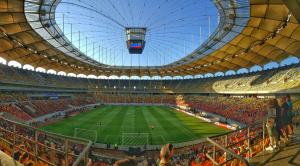
Large public events—such as concerts, sporting events, political rallies, and festivals—are prime targets for drones. These events are often attended by thousands of people, making crowd management and safety a top priority. Drones can be used to disrupt events, take unauthorized footage, or even drop dangerous items into crowds. The risk posed by drones in these contexts is serious, and existing security measures may not be enough to prevent incidents.
Anti-drone systems can play a key role in securing such events by creating a drone-free zone above the venue. These systems can automatically detect drones that are approaching restricted airspace and neutralize them before they can cause harm. Whether it’s by jamming the drone’s communication or physically capturing it, anti-drone technology ensures that public events can proceed without interruption and that crowds remain safe from aerial threats.
4. Improving Response to Emergencies
In an emergency situation, drones can be both a help and a hindrance. While they are often used in search-and-rescue operations, they can also pose significant risks if they are being flown illegally in disaster zones or emergency response areas. For example, a drone flying in a restricted area could interfere with first responders’ efforts or even crash into emergency vehicles, hindering rescue operations.
Anti-drone systems can help mitigate these risks by quickly identifying unauthorized drones and removing them from critical areas. By ensuring that drones used for malicious purposes or causing disruptions are neutralized, these systems support first responders and allow them to focus on saving lives rather than dealing with aerial threats.
5. Securing Critical Infrastructure and Sensitive Locations
Urban areas house critical infrastructure, such as power plants, water treatment facilities, transportation hubs, and government buildings, which are vital to the functioning of cities. The security of these sites is paramount, and drones can pose a unique threat to their safety. Drones can be used for reconnaissance, to deliver harmful substances, or even to carry out attacks on sensitive infrastructure.
Anti-drone systems can protect these vital sites by preventing unauthorized drones from flying into secure airspace. Whether it’s a power plant that needs to stay protected from surveillance or a government building that could be targeted, these systems provide an extra layer of defense against aerial threats. As cities become more reliant on technology, ensuring the safety of infrastructure from drone-related risks becomes a crucial component of urban security.
6. Enhancing Urban Air Mobility (UAM) Safety
Urban Air Mobility (UAM) is an emerging sector focused on the development of aerial transportation systems such as passenger drones and air taxis. While UAM holds tremendous promise for reducing traffic congestion and improving transportation efficiency, it also introduces new safety challenges. With the addition of more drones in the air, it’s crucial that the skies remain free of interference from unauthorized drones.
Anti-drone systems will play a vital role in ensuring that UAM vehicles can operate safely by preventing collisions between manned and unmanned aircraft. These systems will monitor low-altitude airspace, ensuring that urban skies remain clear for air taxis and cargo drones while preventing unauthorized drones from posing a threat. As UAM systems become more widespread, anti-drone technology will be a key enabler in keeping the airspace above cities safe and efficient.
7. Boosting Public Confidence in Drone Technology
While drones offer many advantages, there is often skepticism among the public regarding their safety and potential for misuse. The presence of anti-drone systems can help build trust by reassuring citizens that any potential risks posed by drones are being actively managed. Knowing that there are mechanisms in place to prevent drones from causing harm or disruption will encourage the responsible use of drone technology and help foster a safer environment for everyone.
Conclusion: A Safer Urban Future with Anti-Drone Technology
As urban areas continue to grow and technology advances, the need for proactive security measures becomes ever more pressing. Anti-drone systems are emerging as a critical solution to the challenges posed by the proliferation of drones in public spaces. From preventing unauthorized surveillance to protecting crowded events, critical infrastructure, and public safety, these systems provide a much-needed layer of security in urban environments.
By ensuring that drones can be detected, tracked, and neutralized when necessary, anti-drone technology will help keep cities safe from both criminal activity and accidental disruptions. As these systems evolve and become more widespread, they will play an essential role in shaping the future of urban security, creating safer, more controlled environments for all.