Why Do We Need Anti-drone Devices?
– A Deep Analysis from International Situation to Civilian Demand
In the 21st century, the rapid advancement of drone technology has revolutionized various sectors, including military operations and civilian applications. Drones have become increasingly sophisticated, offering unprecedented capabilities in surveillance, delivery, and even recreational activities. However, this technological leap also brings significant challenges, particularly in terms of security and safety. The need for anti-drone devices has thus emerged as a critical concern, driven by both international geopolitical dynamics and the growing demands for personal and public safety among civilians.
International Situation: A New Frontier in Security Challenges
The proliferation of drones on the global stage has introduced new dimensions to international security concerns. In recent years, drones have been used in conflict zones for reconnaissance, target acquisition, and even offensive operations. For instance, during the Nagorno-Karabakh conflict in 2020, both Armenia and Azerbaijan utilized drones extensively, demonstrating their effectiveness in modern warfare. This shift has forced nations to reconsider their defense strategies and invest in countermeasures to mitigate potential threats.
Moreover, non-state actors, such as terrorist organizations and criminal groups, have also begun to exploit drone technology for malicious purposes. Incidents involving drones being used to smuggle contraband into prisons or conduct surveillance on sensitive locations highlight the vulnerability of traditional security measures. As a result, governments and international organizations are increasingly prioritizing the development and deployment of anti-drone systems to protect critical infrastructure, borders, and high-profile events.
Civilian Application: Safeguarding Everyday Life
While the military and security implications of drones are significant, the rise of civilian drone usage has also sparked concerns about public safety. Consumer-grade drones have become widely available, leading to an increase in unauthorized flights over private property, airports, and other restricted areas. These incidents pose risks to aviation safety, privacy, and even national security. For example, in 2018, Gatwick Airport in the UK was forced to close for several days due to repeated drone sightings near the runway, causing widespread disruption to air travel.
To address these challenges, there is a growing demand for anti-drone solutions that can detect, track, and neutralize unauthorized drones in civilian environments. Law enforcement agencies, event organizers, and private businesses are increasingly turning to specialized anti-drone technologies to ensure the safety and security of people and assets. These systems often incorporate advanced radar, radio frequency (RF) detection, and jamming capabilities to provide comprehensive protection against drone-related threats.
The Role of Hangzhou Fanyue Industrial Co., Ltd.
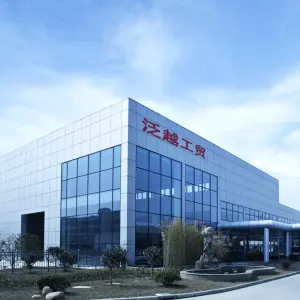
Hangzhou Fanyue Industrial Co., Ltd. has emerged as a key player in the development and supply of anti-drone devices. With a focus on innovation and reliability, the company offers a range of products designed to meet the diverse needs of both military and civilian users. Their expertise in integrating cutting-edge technologies, such as artificial intelligence and machine learning, enhances the effectiveness of anti-drone systems, ensuring they remain adaptable to evolving threats.
In conclusion, the need for anti-drone devices is driven by the complex interplay of international security challenges and the increasing prevalence of drones in everyday life. As drone technology continues to advance, so too must our efforts to safeguard against its misuse. Through ongoing research and collaboration between governments, industries, and companies like Hangzhou Fanyue Industrial Co., Ltd., we can work towards a safer and more secure future in the age of drones.