


Drone Threat Alert: From No-Fly Zone Intrusions to Cross-Border Attacks – How Anti-Drone Devices Solve the Crisis
Unmanned aerial vehicles (drones) bring convenience, but “rogue drones” (unauthorized flights) have become a big risk. They break into no-fly zones, carry out cross-border attacks, and threaten key areas. To fight this, anti-drone detectors and anti-drone systems are no longer optional – they are a must.
1. Rogue Drone Disasters: Real Cases Show the Risks
Rogue drones do not just cause small troubles. They hit critical places and even affect regional safety. Two cases make this clear.
First, the India-Pakistan border. For years, both sides have found many rogue drones. These drones carry cameras to spy on military positions. In 2023, media reported that Indian forces seized a drone near the border. It was trying to take photos of a military camp. Without quick detection, sensitive information could have been stolen. Here, anti-drone detectors are the first line of defense. They spot drones early, so soldiers can act fast.
Second, chemical industrial parks. These parks store dangerous materials. A rogue drone crash or attack could cause explosions or chemical leaks. In 2022, a European chemical park found an unauthorized drone flying over its storage area. The park had to stop work for hours to check for risks. If there was an attack, the damage would be huge. This case shows why anti-drone systems are needed in high-risk industrial areas – they stop threats before they become disasters.
2. Why Anti-Drone devices Are a Must for Key Areas
Key areas like borders, airports, and chemical parks cannot afford to ignore rogue drones. Anti-drone detectors and anti-drone systems work together to fill this safety gap.
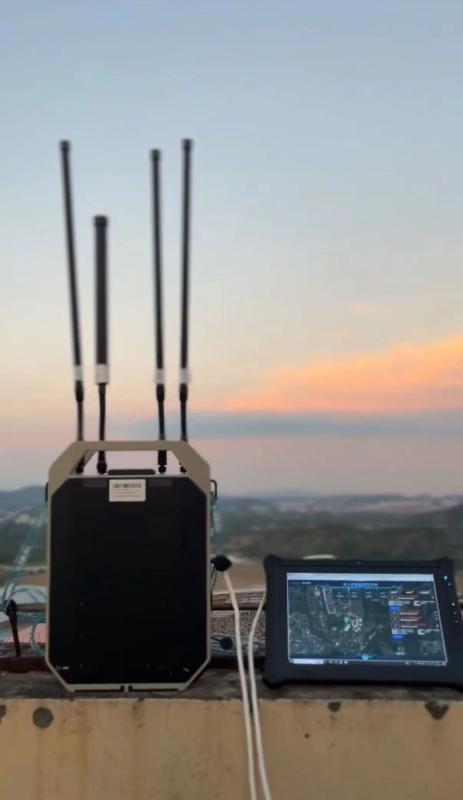
First, anti-drone detectors find threats early. They use technologies like radar and radio signals to spot drones – even small ones. For example, at a border checkpoint, a detector can find a drone 5 kilometers away. This gives security teams enough time to prepare. Without detectors, teams might only see a drone when it is too close.
Then, anti-drone systems stop threats. Once a detector finds a rogue drone, the system takes action. It can jam the drone’s signal, making it land safely. Or it can use a “drone catcher” (a net-firing device) to capture the drone. In a chemical park, this means stopping a drone before it gets near dangerous materials.
Also, these devices are easy to use. Most systems have simple controls, so security staff do not need advanced training. This is important for busy areas like airports or borders – staff can use the tools quickly when needed.
3. The Future: Anti-Drone Tech Will Keep Evolving
Rogue drone technology is getting better. Drones are becoming smaller and harder to spot. But anti-drone detectors and anti-drone systems are evolving too. New detectors can find quieter drones. New systems can handle multiple drones at once.
For key areas, this evolution is critical. Borders need stronger detectors to stop spy drones. Chemical parks need faster systems to handle sudden threats. As rogue drones become more of a risk, anti-drone tools will stay a necessary part of safety.
Conclusion
Rogue drones are a growing threat – from border spy missions to industrial park risks. Anti-drone detectors and anti-drone systems are not just tools. They are the first and last line of defense for key areas. To keep people and places safe, investing in these anti-drone devices is not a choice – it is a must.

