Future Vision: What Happens to Low-Altitude Defense When AI Meets Anti-Drone Systems?
Low-altitude airspace is getting busier with more drones. This brings convenience but also risks like “unauthorized flying”. Traditional anti-drone tools struggle with these threats. Now, AI is changing the game for anti-drone detectors and systems. Let’s explore how this tech combo shapes future defense.
1. AI Makes Target Recognition Smarter Than Ever
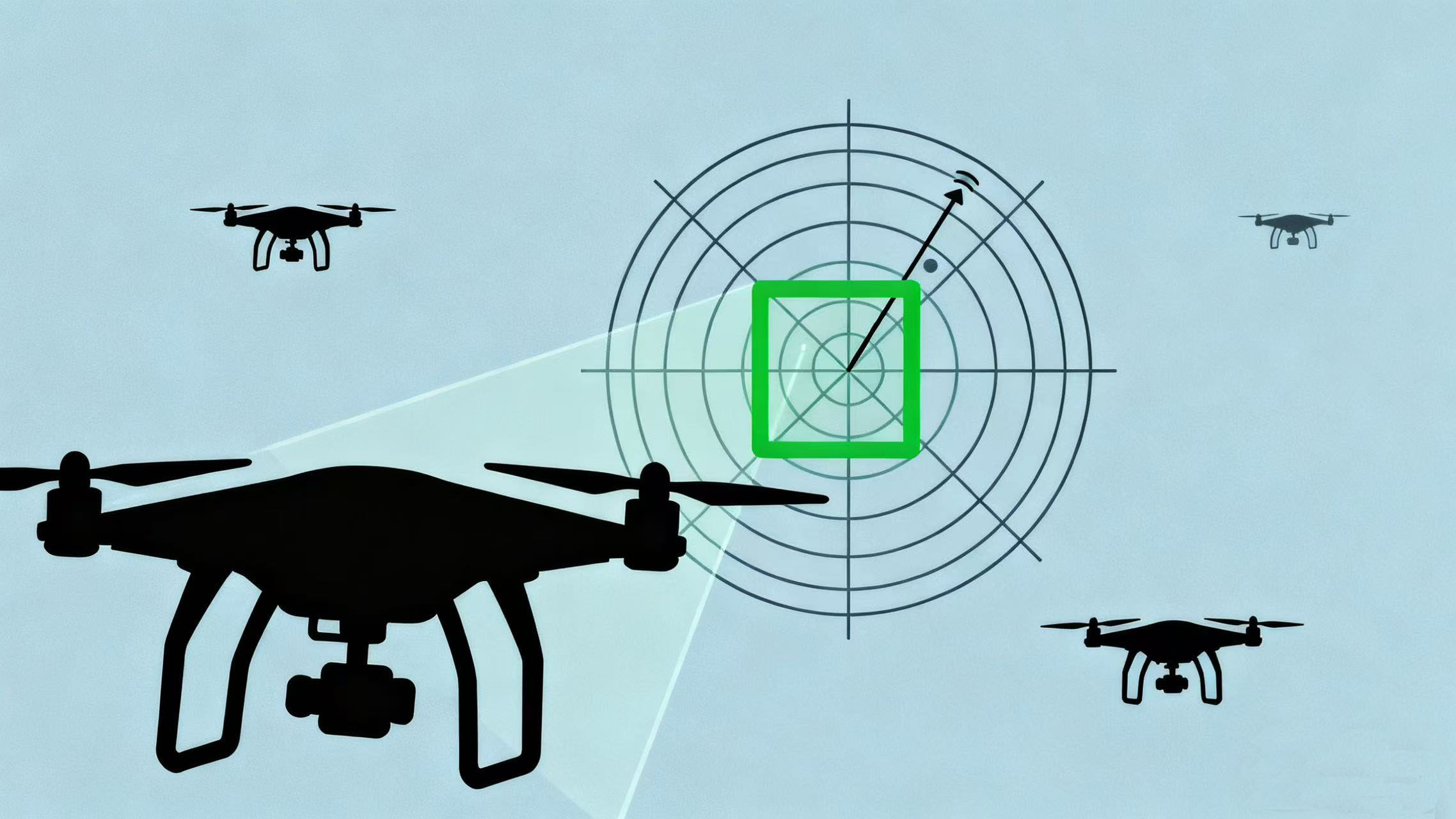
Radar and anti-drone detectors are key for finding drones, but they have limits. Radar can miss small, slow drones. Detectors fail with silent or encrypted drones. AI fixes these gaps.
AI uses deep learning to analyze data from radar, cameras and radio sensors together . For example, it can tell a drone apart from a bird or kite . This cuts wrong alarms to as low as 0.3% .
It also learns drone behaviors. It spots if a drone hovers near an airport or flies in a group . Then it rates the threat level quickly. Some systems even predict where the drone will go next . This speed lets defenders act fast.
2. AI Enables Multi-Device Collaborative Defense
Fighting drones alone doesn’t work, especially against swarms. AI connects anti-drone detectors, radar and countermeasure tools into one team.
Here’s how it works: First, radar finds a moving target . Then anti-drone detectors check its radio signal to confirm it’s a drone . AI sends this data to the anti-drone system instantly.
For swarms, AI prioritizes targets. It focuses on drones flying toward sensitive areas first . This collaboration makes the whole system faster—some can decide how to act in 0.3 seconds . No more waiting for human operators to connect the dots.
3. Linking to Low-Orbit Satellites: Full-Sky Coverage
Ground-based anti-drone systems have a range limit. Low-orbit satellites change this, and AI is the link between them.
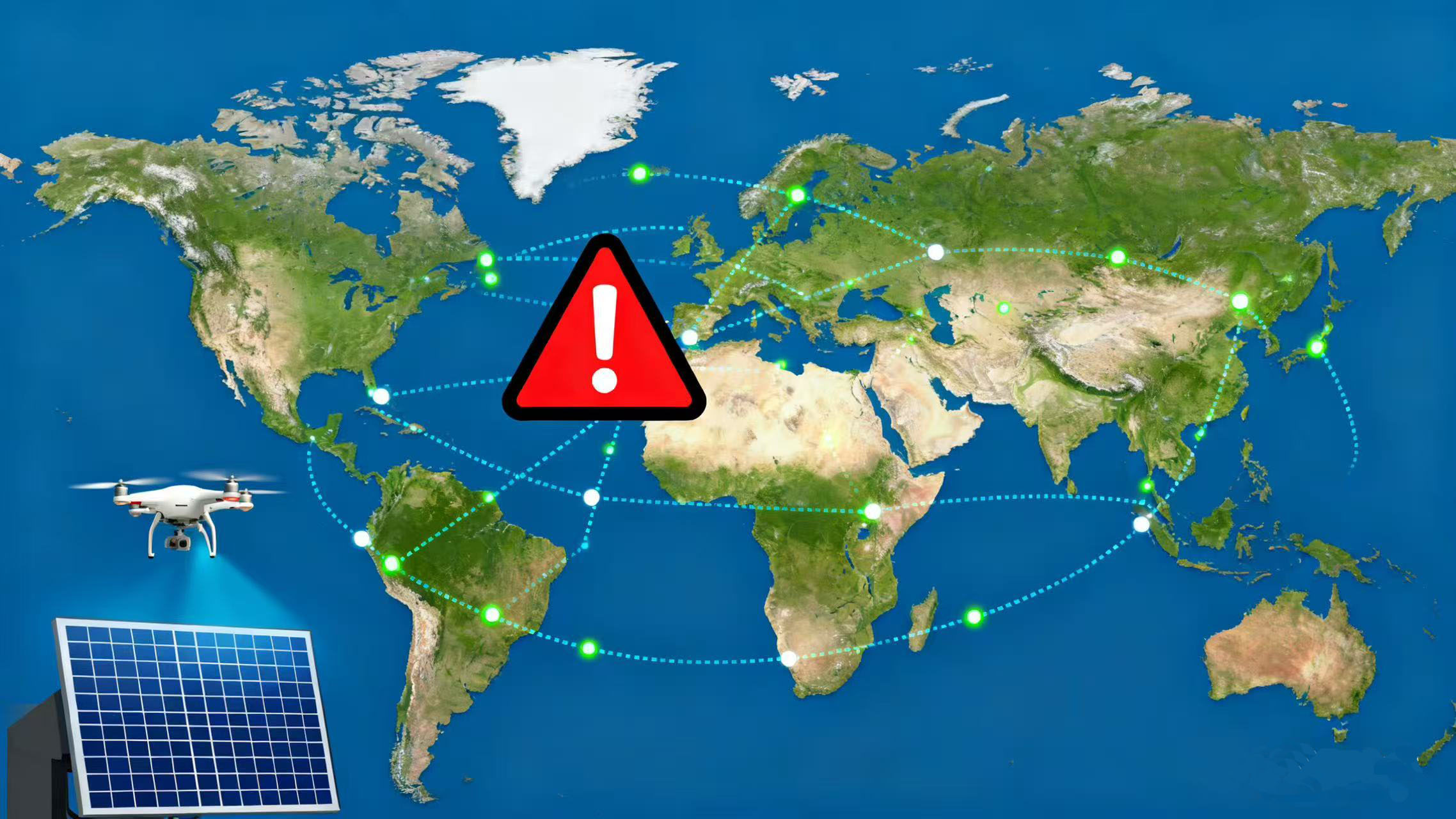
Satellites scan large areas for drones flying far from cities . They send data to AI systems on the ground. AI matches this data with local radar and detector info . Now, even remote areas like borders get protection.
This “sky-ground” network also helps track drones beyond visual line of sight . AI makes sure all data works together, so no drone slips through the gaps.
What’s Next for AI-Powered Anti-Drone Tech?
AI is turning anti-drone systems from simple tools into smart defenders. It improves recognition, connects devices, and expands coverage.
As drones get smarter, AI will too. Future systems may learn to beat drone jamming tricks and handle more complex swarms. One thing is clear: AI will be at the heart of keeping our low-altitude airspace safe.