


Anti-Drone “Dynamic Duo”: Handheld Detectors and Anti-Drone Guns
In today’s world, drones are everywhere. They help with photography, delivery, and inspections. But they also bring risks. These risks include invading privacy and disrupting critical sites. That’s why reliable anti drone systems are non-negotiable. Today, we’re diving into the core of top-tier anti drone systems. Specifically, we’ll look at the pairing of handheld anti drone detectors and anti-drone guns. See how this “dynamic duo” works in perfect sync to protect our skies.
Handheld Anti-Drone Detectors: The Backbone of Anti Drone Systems
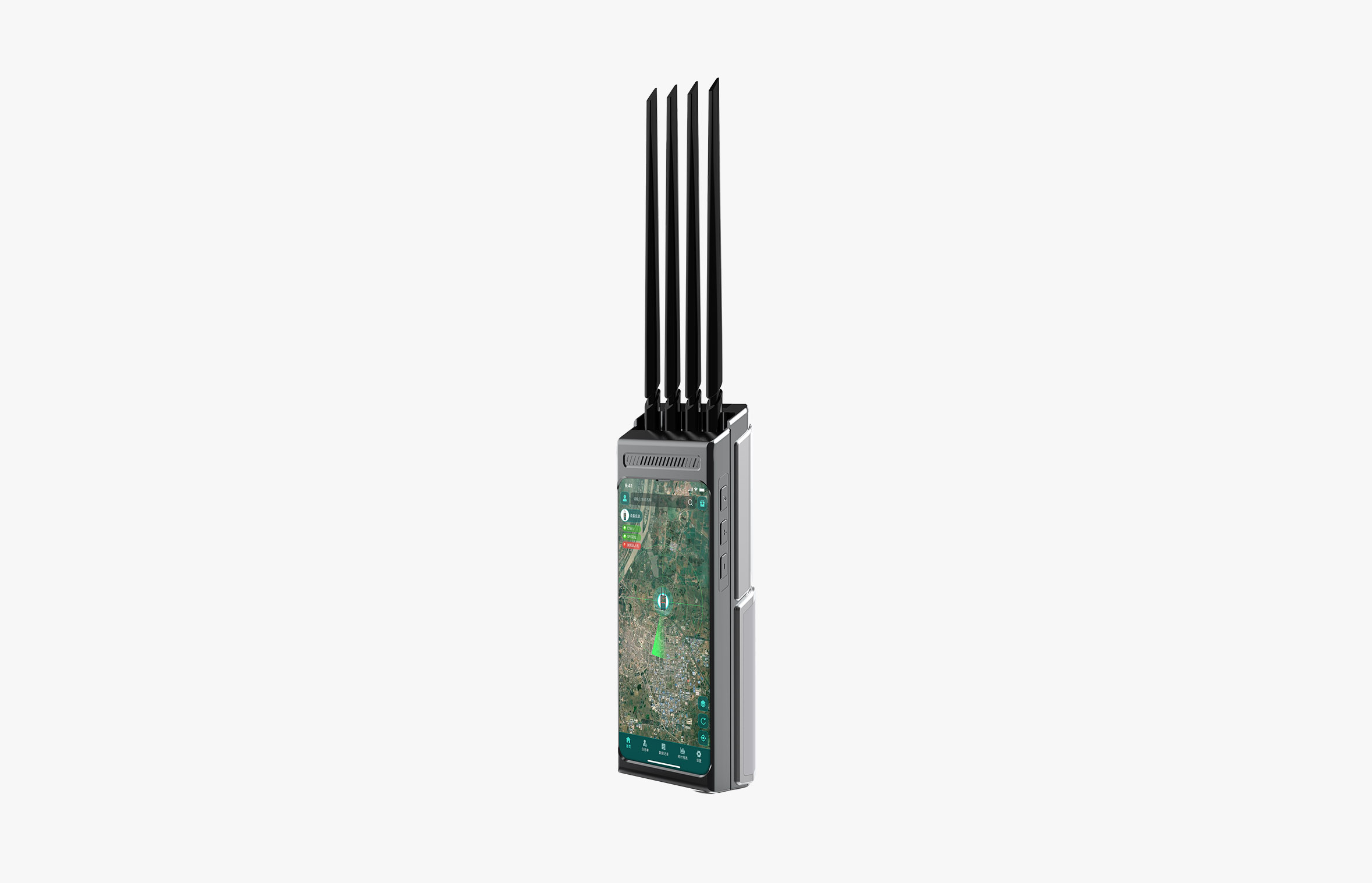
Handheld anti drone detectors aren’t just add-ons. They’re the backbone of any effective anti drone system. First, they act as sharp-eyed scouts. They turn vague “drone nearby” hints into precise, actionable data. This data is something no anti drone system can do without.
Most consumer and commercial drones send signals in the 2.4 GHz and 5.8 GHz bands. Handheld anti drone detectors are engineered to lock onto these frequencies. As soon as they detect unusual activity in these bands, they alert the operator. This ensures no rogue drone slips past the anti drone system.
These detectors use high-sensitivity receivers. The receivers cut through cluttered airwaves. So, they only flag real drone signals—not random radio noise. Many also have directional antennas. Simply twist the antenna, and you’ll find where the signal is strongest. This points directly to the drone’s location. Moreover, this precision is what makes handheld anti drone detectors a must for any anti drone system.
Advanced handheld anti drone detectors go even further. For example, they can analyze signals to identify the drone’s model. They can also track its real-time flight path. Additionally, they can find the drone’s pilot. If a drone flies within 1–3 kilometers, a quality detector will pinpoint key details. These include the pilot’s position, the drone’s direction, and its speed. All of these are critical details to power your anti drone system.
Anti-Drone Guns: The Action Driver of Anti Drone Systems
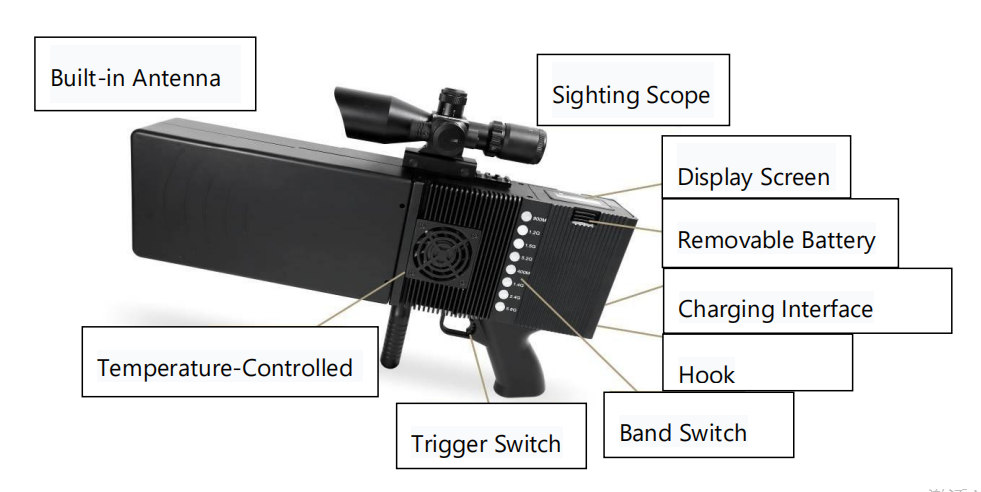
Once handheld anti drone detectors lock onto a target, anti-drone guns take over. They act as the “action driver” of the anti drone system. These tools don’t damage drones in most cases. Instead, they use jamming signals to regain control of the airspace. This step is key in any anti drone system.
Just like the detectors they pair with, anti-drone guns target critical frequencies. These frequencies are 2.4 GHz and 5.8 GHz for drone-controller communication. They also target 1.5 GHz for GPS navigation. Pull the trigger, and the gun sends a strong, focused jamming signal on these bands. It’s like shouting over a crowd. This way, the drone can’t “hear” its controller or “see” its GPS.
If the communication link breaks, the drone loses commands. It may hover in place. It could also fly back to its pilot in automatic return mode. Or it might land safely. On the other hand, if GPS is jammed, the drone loses its way. It can’t reach restricted areas. This stops threats before they escalate. Also, this reliability is why anti-drone guns are a core part of any anti drone system.
Most anti-drone guns are lightweight and handheld. They match the detectors’ portability. So, security teams can carry them anywhere. They also have high-gain directional antennas. These antennas keep jamming signals focused. This boosts both strength and range. Ultimately, this is ideal for fast responses in anti drone systems.
Teamwork: Why This Pair Defines Great Anti Drone Systems
On their own, handheld anti drone detectors and anti-drone guns work well. But together, they create the most reliable anti drone systems available. Here’s how their teamwork powers top-tier anti drone systems, step by step.
1.Detect first: The handheld anti drone detector scans the area. It locks onto the drone’s signal. Then, it shares key details with the operator. These details include location, direction, and model. This lays the groundwork for the anti drone system.
2.Act fast: The operator uses the detector’s data. They aim the anti-drone gun directly at the target. There’s no guesswork and no delays. This is vital for any anti drone system.
3.Secure the sky: The anti-drone gun jams the drone’s signals. This forces the drone to land, return, or hover. It finishes the job the anti drone system started.
In conclusion
This combo excels in real life. For instance, at big events like concerts or sports games, anti drone systems with these tools keep crowds safe. Detectors watch for unwanted drones. Then, guns drive them away. Similarly, at sensitive sites like airports or military bases, the duo blocks drones from getting too close. This prevents delays or breaches. And that’s what makes these anti drone systems effective.
