


How Night Vision Works in Security
Night vision devices are essential for border and coastal protection. They use special lenses and sensors. These tools capture low – light or infrared light. Then, they turn this light into a visible image. At night, when it’s dark, security guards can still see clearly. For example, they can spot people or vehicles trying to cross the border illegally. This helps prevent unauthorized entries.
The Power of Thermal Imaging
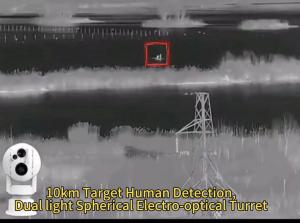
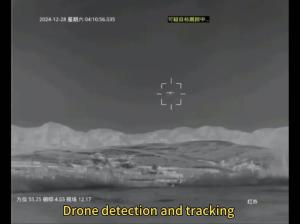
Thermal imaging is another important technology. It doesn’t rely on light. Instead, it detects heat. Every object gives off heat, even in complete darkness. Thermal cameras pick up these heat signals. They create images based on the heat differences. Whether it’s a cold night or a foggy day, thermal imaging works well. This makes it perfect for monitoring large border and coastal areas.
Using Both Technologies Together
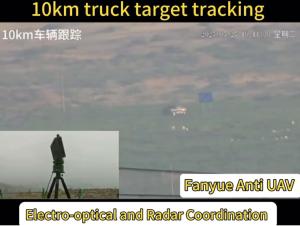
Combining night vision and thermal imaging is a smart move. First, night vision helps in areas with some light, like near cities. It shows clear details of objects. However, in total darkness or bad weather, thermal imaging takes over. It can find hidden people or boats that give off heat. By using both, security teams can cover all situations. For instance, during a moonless night, thermal imaging starts the search. Then, night vision helps identify the target up close.
A Safer Border and Coastline
In short, night vision and thermal imaging play a huge role in border and coastal security. They help guards work effectively day and night. With these tools, it’s easier to stop illegal activities. As technology gets better, we can look forward to even safer borders and coastlines.

